
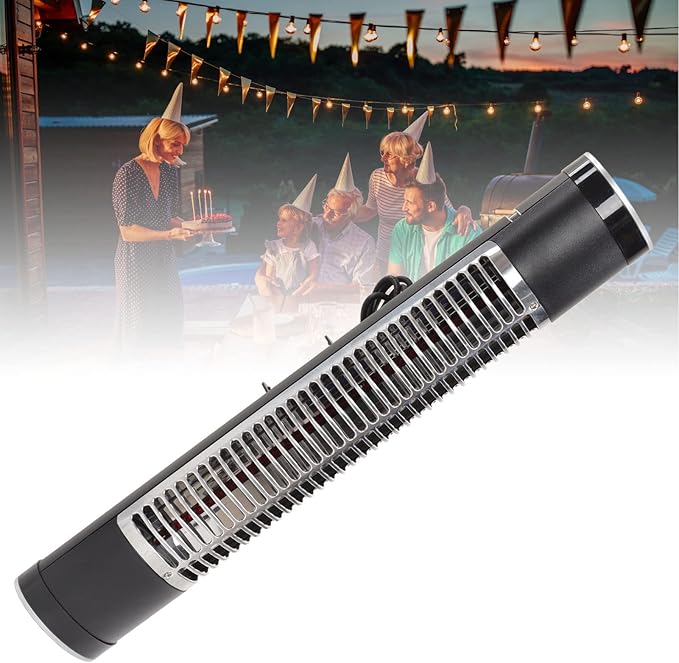
Halogen Infrared Heaters: Where Power Meets Practical Design
We built these halogen heaters to be the workhorses of industrial heating and drying. Think of them as compact powerhouses that turn electricity straight into focused, infrared heat. They don’t waste energy warming up the whole room. Instead, they zero in on the exact spot you need, which saves power and speeds up your cycle times.
The Power Behind the Heat
These units run on serious juice—typically 230V or 400V—because they need to pack a lot of wattage into a short tube. Take a 400V, 2500W heater in a 300mm body. It throws off dense heat, responds instantly, and gives you tight control over the temperature. You get a huge amount of power in a tiny footprint. But here’s the thing: that power also means the surrounding equipment has to handle the heat. Make sure you plan for proper cooling and shielding. It’s the only way to keep your control electronics and nearby parts safe.
Why Quartz and R7s Make Sense
The heating element is housed in a quartz tube. We use quartz because it can handle sudden temperature swings and it lets that infrared heat pass right through. Inside, a halogen gas fill keeps the filament stable. This extends the heater’s life and makes sure the output stays consistent, day after day. Then there’s the R7s connector. It’s a simple, secure way to handle the high current. It makes installation a breeze and helps prevent hot spots at the connection point.
Where They Shine (and What to Watch For)
Halogen heaters are perfect when you need heat, fast, and in one specific spot. They’re great for things like PET blowing or preheating plastics. The focused infrared beam hits the material’s surface quickly, which boosts throughput and cuts down on wasted energy. Plus, their compact size means they can often just drop right into your existing setup. You can count on them to run reliably. Just be sure you’ve matched the voltage correctly and have your thermal management sorted before you lock everything in.