Introduction
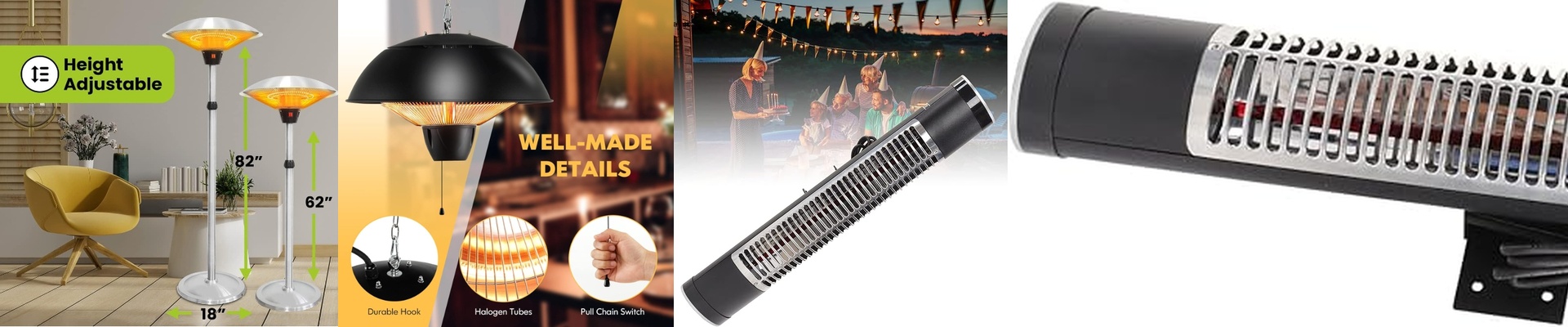
Picture this: you’re on the factory floor, and you need serious heat in a tight spot—but you absolutely can’t have blinding glare blinding your operators. That’s exactly why we built these low-light infrared heaters. We’re talking halogen tubes, engineered for one thing: fast, rock-solid heat in a tiny footprint. They’re the workhorses behind plastic processing, sealing packaging, and drying lines—anywhere you need a lot of heat packed into a small space, without messing with the rest of the machine.
Power, Voltage, and Size: What Actually Matters
Here’s the thing about these heaters: it all comes down to wattage packed into the right length. Take the 2500W model. It’s compact, but it throws off a ton of heat per inch. Perfect when you need to blast a small target zone, fast. We spec’d it at 400V for a reason. It keeps the current lower for the same power, which means your wiring stays cooler and your control gear can be smaller. Less bulk, less hassle. And that 300mm length? It gives you a clean, defined hot zone. So you can dial in the heater to match your exact process—no wasted heat, no overshooting onto nearby parts.
Built to Last: The Details That Make a Difference
These aren’t your average heaters. They’re built to handle the grind. The halogen cycle keeps the filament stable, even at scorching temps. So the heat output stays steady, day after day. No dips, no surprises. The quartz glass handles rapid on-off cycling without cracking under thermal shock. It just keeps going. We added a low-light coating that filters out the glare but lets the infrared energy through. Operators stay comfortable, and you still get all the heat you need. And the R7s connector? It’s simple, solid, and locks in fast. It’s a drop-in fit for most standard holders, so swapping out a heater on the floor takes minutes, not hours. No rewiring, no headache.
What It Feels Like on the Job
When you get this heater installed, you feel the difference right away. It fires up fast. Holds its temperature steady. And it slips into place with zero fuss. Now, a heads-up—that kind of power density demands respect. You’ll need to make sure you’ve got proper cooling and clearance sorted. Size your airflow and shielding to match the heat, or you’ll end up roasting the parts nearby. But get that right, and you’ve got a heater that just works—quietly, reliably, and without getting in anyone’s way.