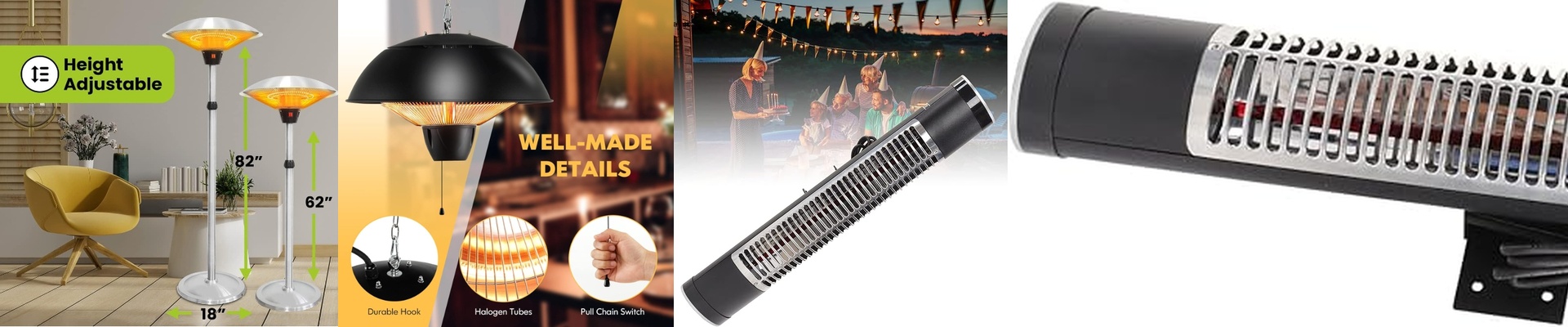
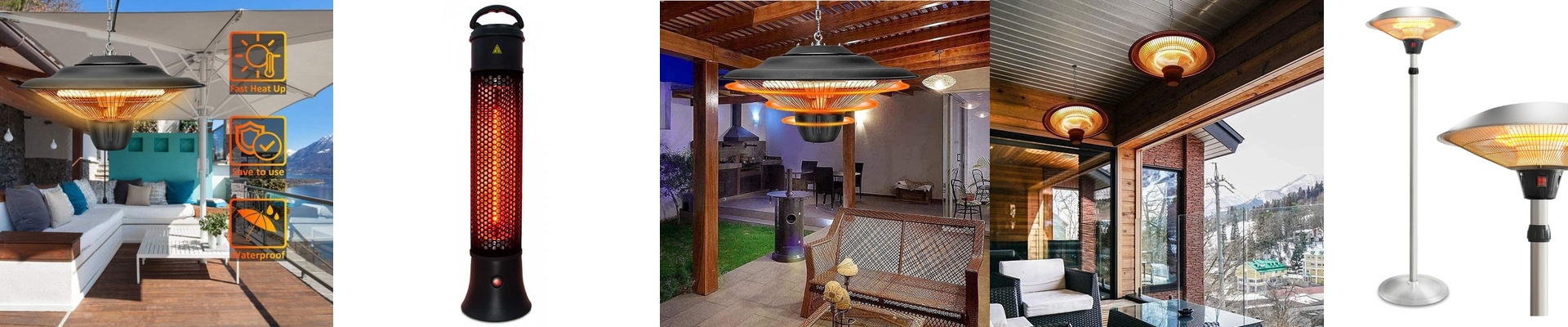
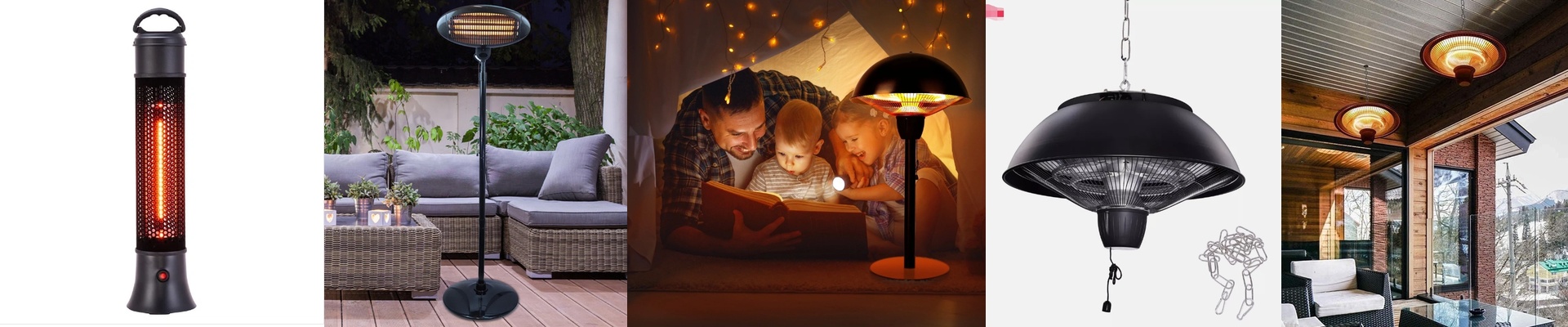
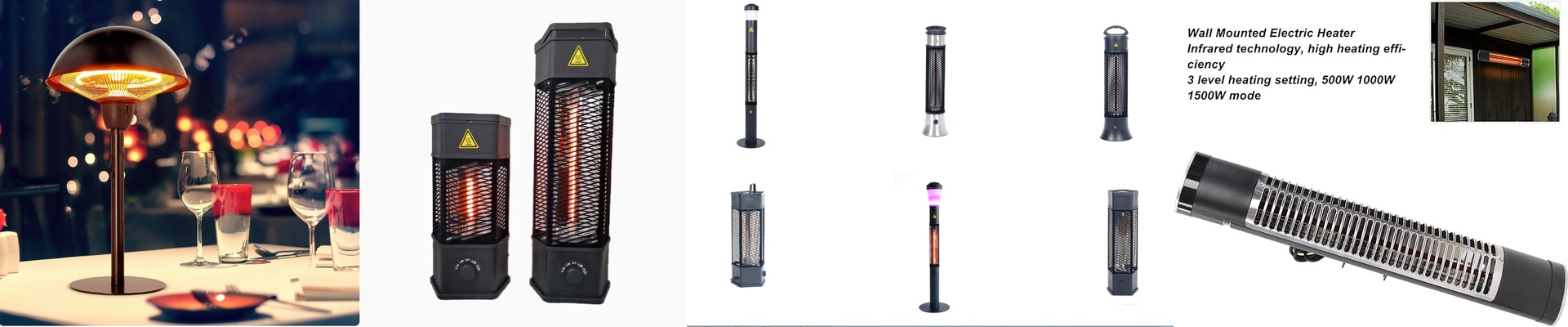
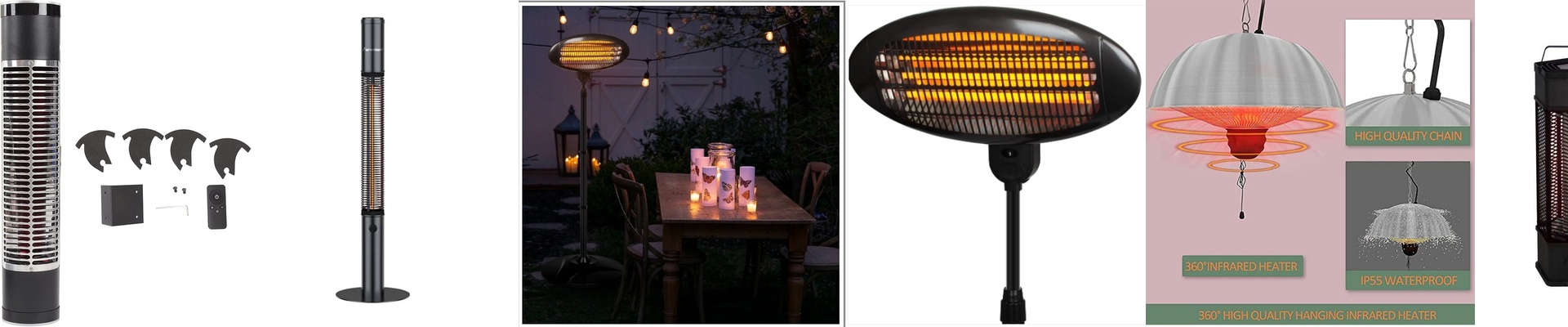

Stepping out of the shower into a damp, cold bathroom isn’t just uncomfortable—it drains energy every single day. Conventional heaters warm the air, then lose it fast, so the unit keeps running long after you’ve left. Infrared bathroom heaters with low thermal inertia flip that script. They deliver radiant warmth that works like the sun: heating people and surfaces directly, not the empty air. What matters technically Low thermal inertia means the heating element hits operating temperature almost instantly—and cools just as fast. In practice, a carbon fiber or quartz infrared element comes up to full output in seconds, then drops back to idle the moment the room hits the set point. That responsiveness is why smart home energy systems play so well with infrared bathroom heaters. The heater follows demand instead of fighting it, so you don’t waste energy on a heavy thermal mass that keeps pumping out heat after the room is already comfortable. Hook it up to a thermostat and occupancy sensors, and the unit cycles cleanly: warm when you need it, quiet when you don’t. Why it works here In a bathroom, speed and control are everything. You want warmth the instant your feet hit the tile, not five minutes later. With low thermal inertia, the heater responds on the spot, so the room feels cozy on demand. And because the heat is radiant, it warms you directly—like standing in a patch of sun—natural comfort, not forced air. For smart home setups, that responsiveness translates into tighter energy management. The system can heat only during occupancy windows, then stand down without leftover heat that causes overshoot. Over time, that control keeps energy use aligned with real need. Things to know Infrared bathroom heaters are compact and wall-mounted, but they need a dedicated electrical circuit. Even with a strong IP rating, install them away from direct water spray. Radiant heat warms surfaces and objects, so floors and walls feel warmer faster—great for comfort, but placement matters. Direct line-of-sight to the key spots in the room makes a noticeable difference. If your bathroom has high ceilings or drafty windows, you may need a bit more wattage or a second unit to keep the warmth even.