
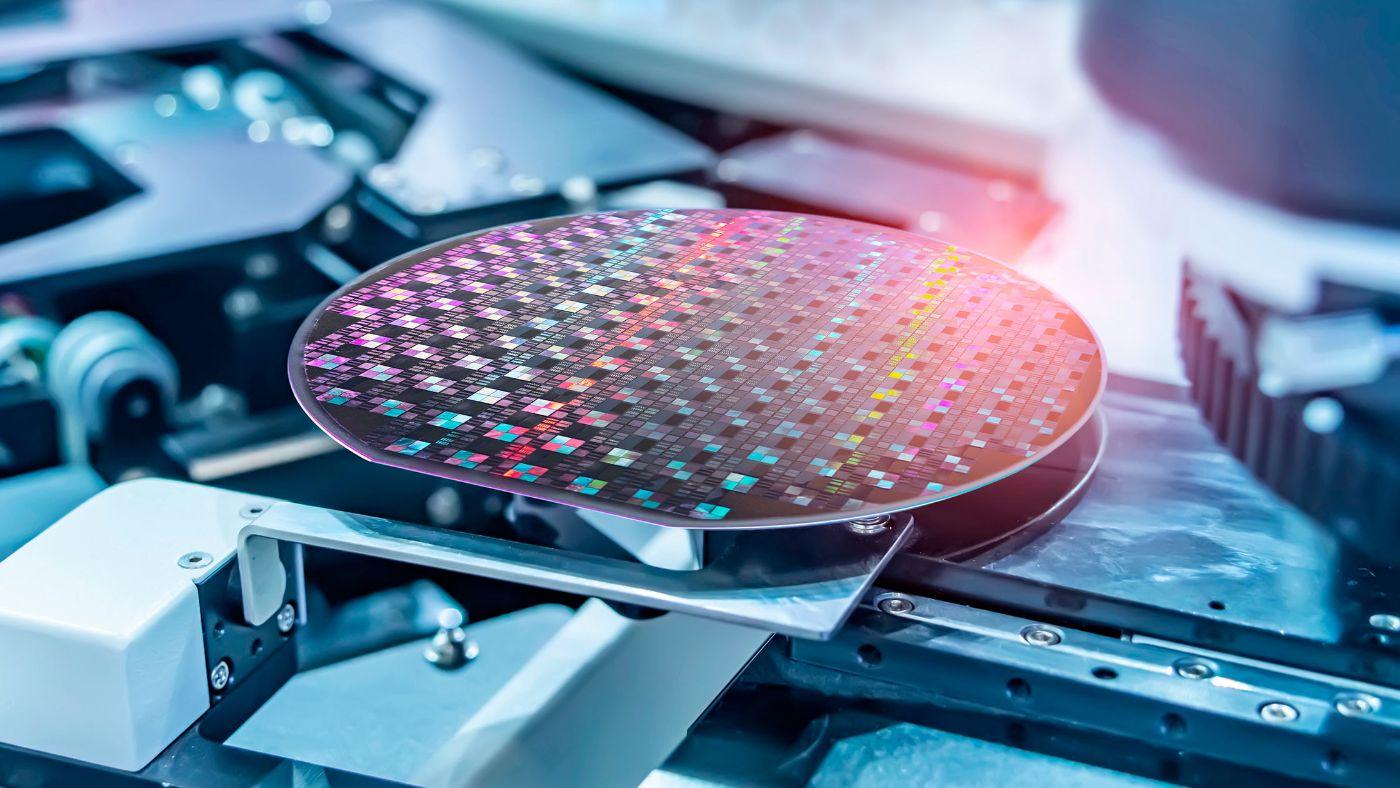
On the 300mm line, a wet wafer sitting around is a line stop. Leftover moisture means streaks, particles, and yield loss before you even get to lithography. We built a fast drying module right after the rinse to turn the rinse-to-dry handoff into a controlled thermal step, not a roll of the dice. What matters under the hood We use short-wave and medium-wave infrared in a quartz-halogen setup, dumping energy fast while keeping the spectrum tight so you don’t risk exposing the photoresist. Temperature uniformity across the wafer stays within ±0.1°C, and shift-to-shift repeatability holds within ±0.2°C. The lamp module is cleanroom-ready for Class 1–100, with zero particle generation verified at the tool level. Output stays stable within 1% over 5,000+ hours, so you can run 24/7 and plan maintenance without surprises. Why it sticks on the floor Right after the rinse, the wafer hits a defined thermal field that evaporates surface water quickly and evenly. You end up with a dry, residue-free surface ready for soft bake or hard bake—no thermal overshoot. You shorten the wet-to-dry transition, cut carryover defects, and tighten critical dimension control by protecting the photoresist thermal budget. Pulsed control and fast warm-up keep idle power down without sacrificing performance. What you need to get right Installation comes down to matching the lamp footprint to the track end effector and aligning the beam profile to the wafer edge exclusion. Tune the module to the solvent chemistry and rinse temperature so you don’t get differential evaporation. Run a short commissioning lot to dial in dwell time and intensity, and keep the process inside the photoresist thermal window.