Getting Your Bathroom Heat Just Right (Without Blowing a Fuse)
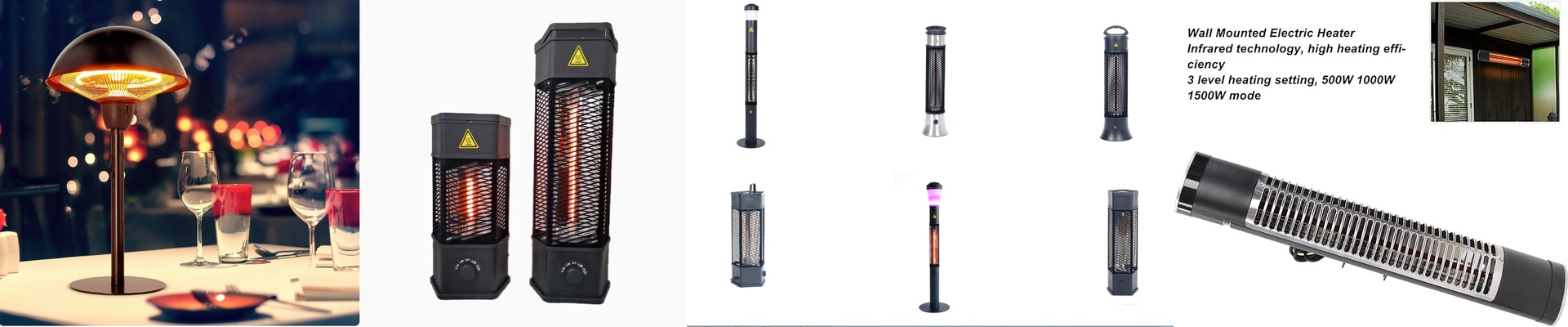
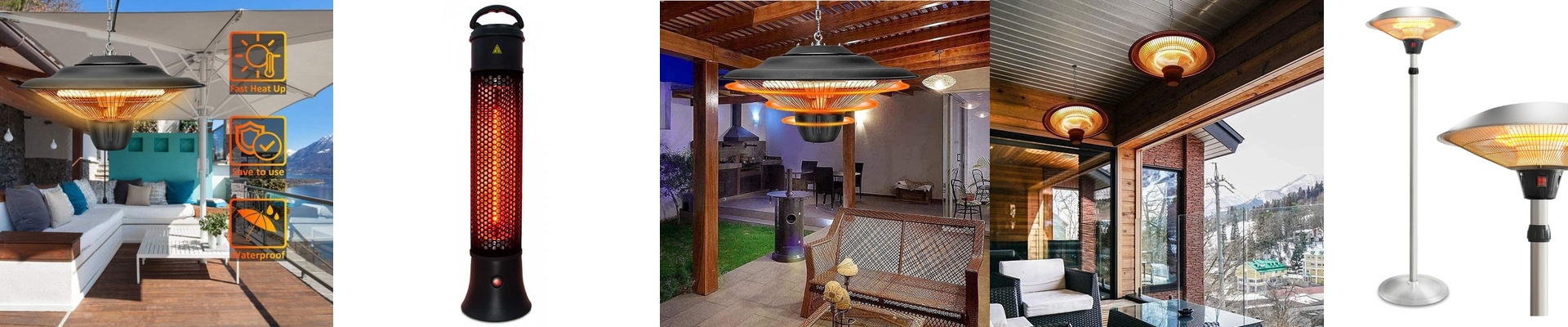
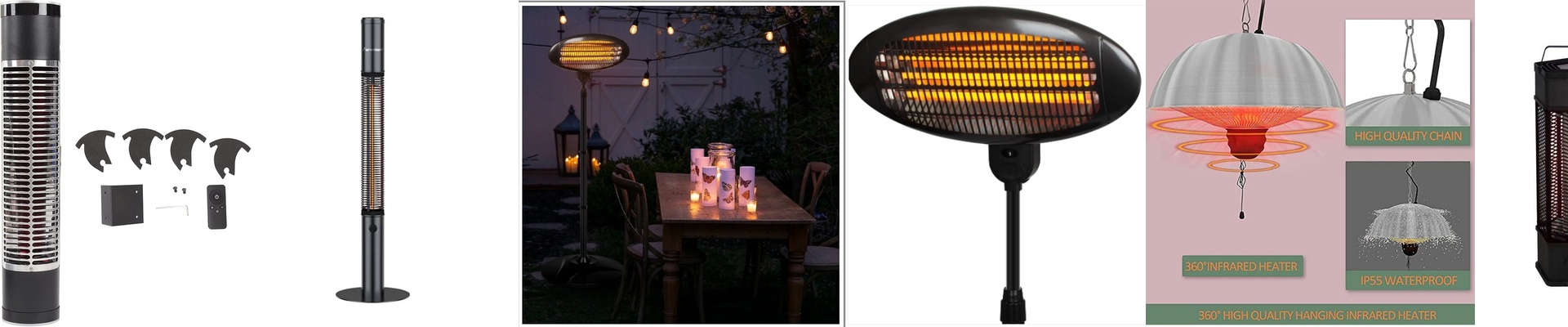
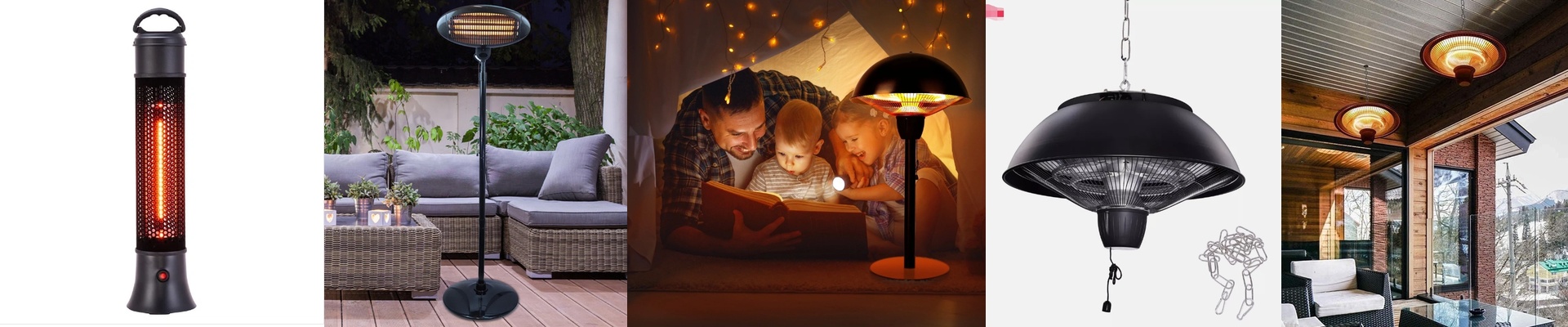
When you’re picking out heating for a bathroom, you’re dealing with more than just a chilly morning. You’ve got steam, splashes, and a whole lot of humidity. That’s why we build our infrared lamps to IP55 standards. In plain English? The housing is sealed tight so dust and water jets can’t get inside and fry the electronics.
Finding the Right Wattage
Here is the thing: more power isn’t always better. If you put a massive heater in a tiny powder room (under 4m²), you’re just wasting electricity. A 250W to 400W lamp is usually plenty to keep you warm without turning the room into a sauna. For bigger bathrooms (around 6m² to 10m²), you have a couple of choices. You could go with one big 800W unit, but I usually recommend wiring up two 400W lamps at opposite ends of the room. It spreads the warmth around better and kills those annoying cold spots. Just be careful not to overdo it. If you cram too much wattage into a small space, the thermal cut-off will keep kicking in, and you’ll end up wearing out the lamp way faster than you should.
How it Actually Works
These lamps don’t bother trying to heat up all the air in the room. Instead, they beam heat directly onto you and the surfaces around you. It’s a more immediate kind of warmth. Because of that, that IP55 rating is a big deal. Steam and water can eat through terminals fast. We use moisture-resistant coatings and sealed gaskets to make sure the circuitry stays bone-dry, no matter how hot your shower gets.
The Trade-off
Higher wattage gets you warm faster. Simple. But it also pulls more current from your walls. Before you install a bunch of high-wattage lamps, take a look at your circuit breaker. If your house has some older wiring, a 1200W setup might just trip the breaker the moment you turn everything on. It’s all about balance. You want it cozy, but you don’t want to be sitting in the dark.