

Why we put our bathroom lamps through “the torture chamber”
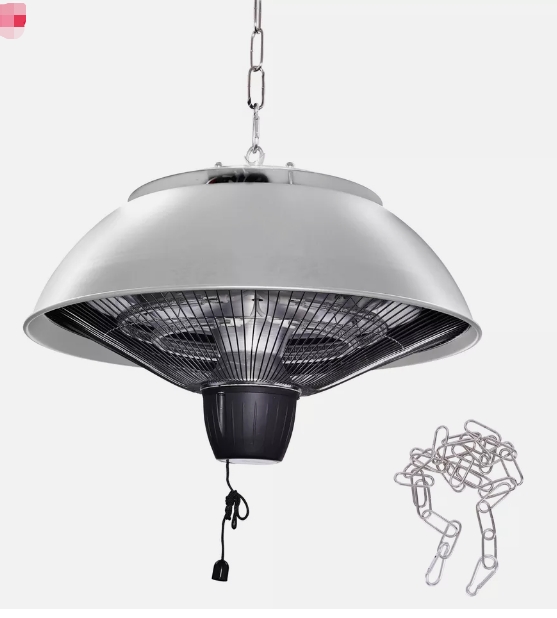
Let’s be honest: bathrooms are a nightmare for electronics. Between the thick steam from a hot shower, the constant condensation, and the occasional accidental splash, it’s basically a swamp in there. We build our infrared heating lamps to an IP44 standard. On a spec sheet, that just means they can handle small objects and water splashes from any angle. But a piece of paper doesn’t tell you if a product actually works when things get messy.
The battle against steam
Here is the real problem: bathrooms create this brutal, repeating cycle. The lamp kicks on and gets hot fast, pushing the moisture away. Then it cools down, and all that dampness settles right back onto the seals and electrical joints. Do this a few hundred times, and you start getting oxidation. If a seal gives way even a little bit, moisture creeps into the wiring. Then you’ve got a short circuit or a dead lamp. Not a great look. To stop that from happening, we use damp-heat aging tests. We basically toss the units into high-humidity chambers and flip the power on and off repeatedly. It’s a way to cram years of wear and tear into a few weeks. We’re looking for the tiny things—a gasket that shrinks when it gets hot or a gap where moisture might sneak in.
The balancing act
Getting that IP44 seal isn’t as simple as just gluing things shut. We use specific silicone gaskets and sealed cable entries to keep the water out. But there’s a catch. The tighter you seal a unit, the harder it is for heat to escape. If you aren’t careful, you end up cooking the internal components. To fix this, we use high-temperature wiring that can take the heat without degrading. It’s all about finding that sweet spot where the lamp is watertight but doesn’t overheat itself.
Why this actually matters to you
Nobody wants a lamp that flickers or dies halfway through winter. By pushing these units to their breaking point in the lab, we find exactly where they fail. We can fix a weak spot in the mold or tweak a seal before the product ever leaves our sight. That way, when it arrives at your warehouse, you know it’s a reliable piece of gear that just works. No surprises, no recalls. Just a lamp that does its job.