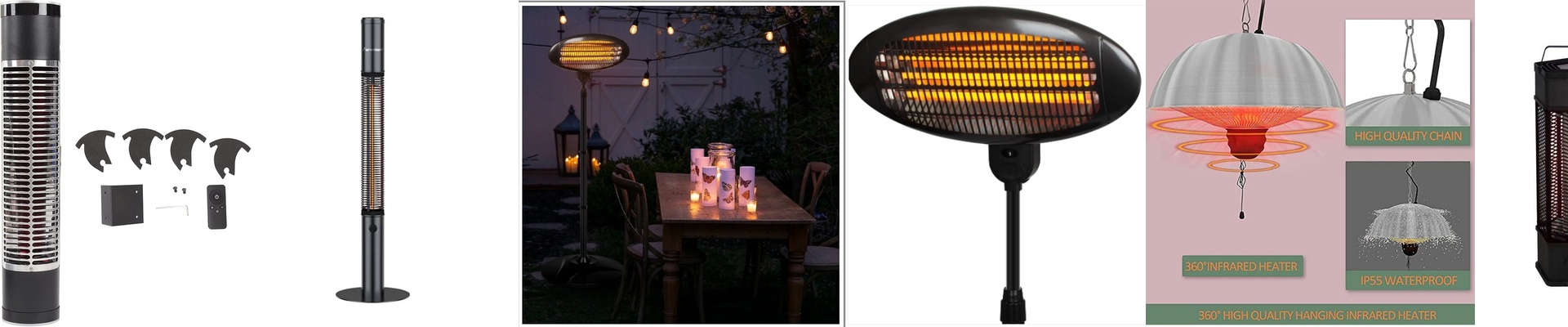
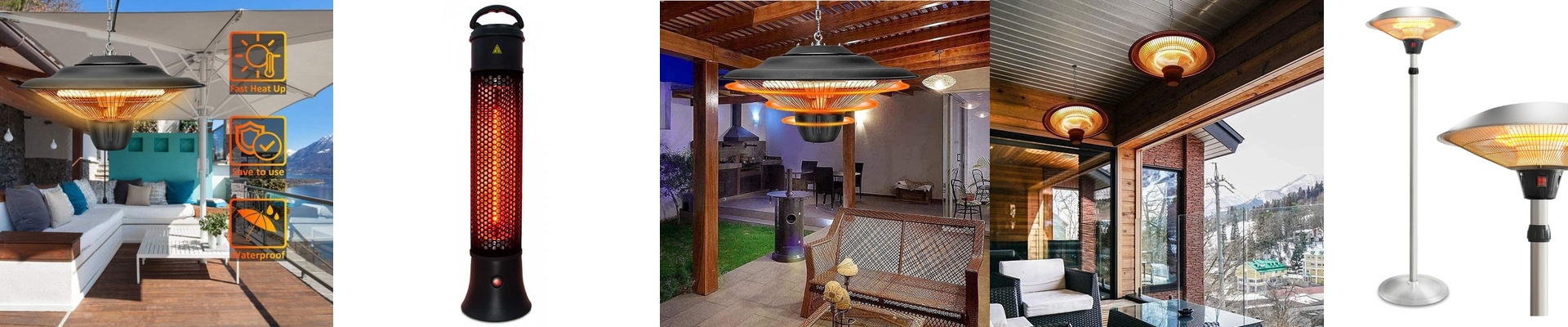
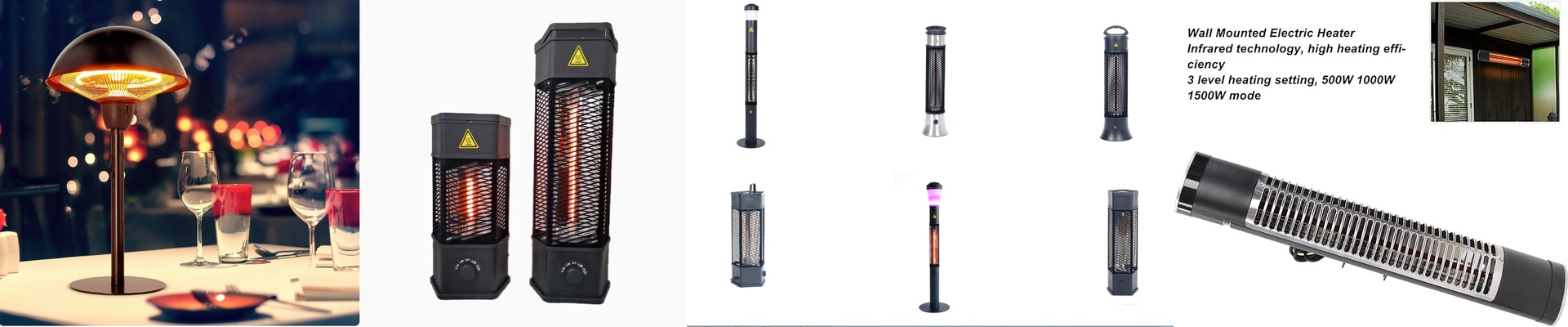
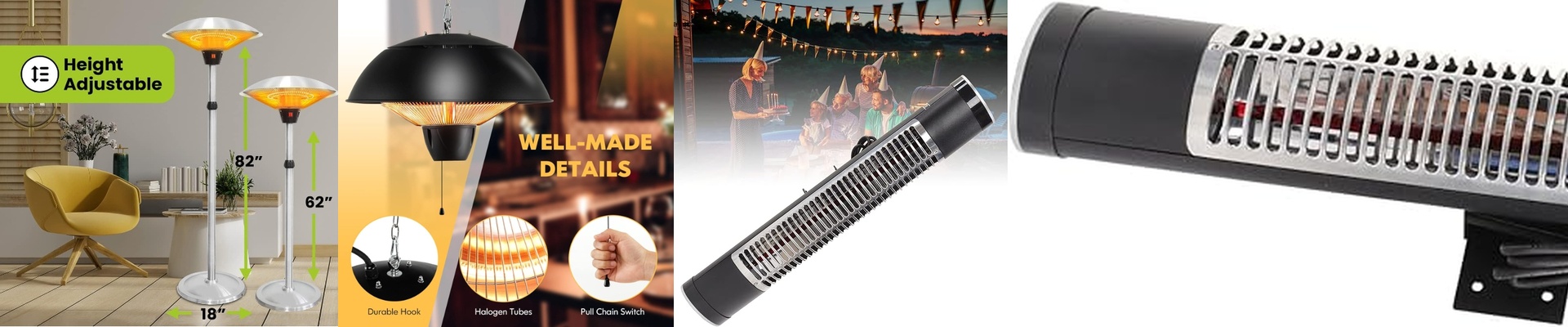
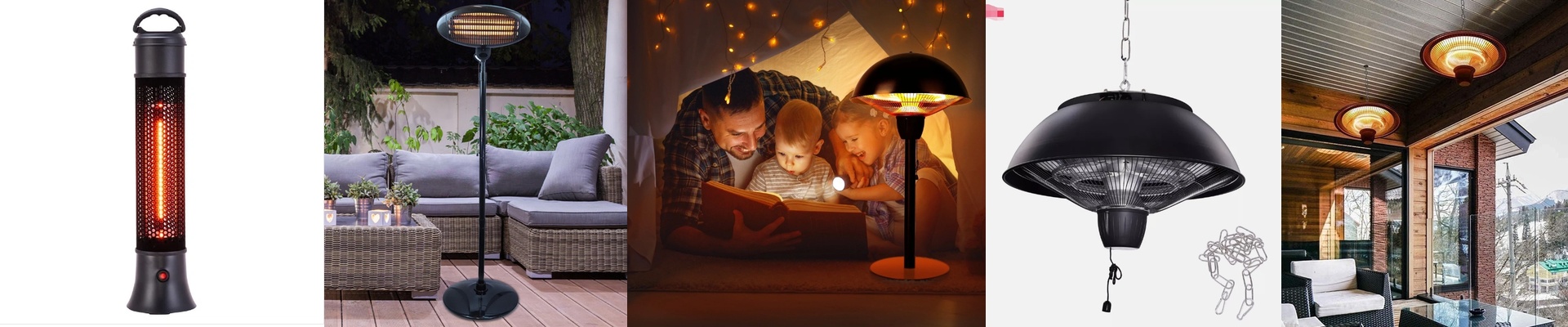
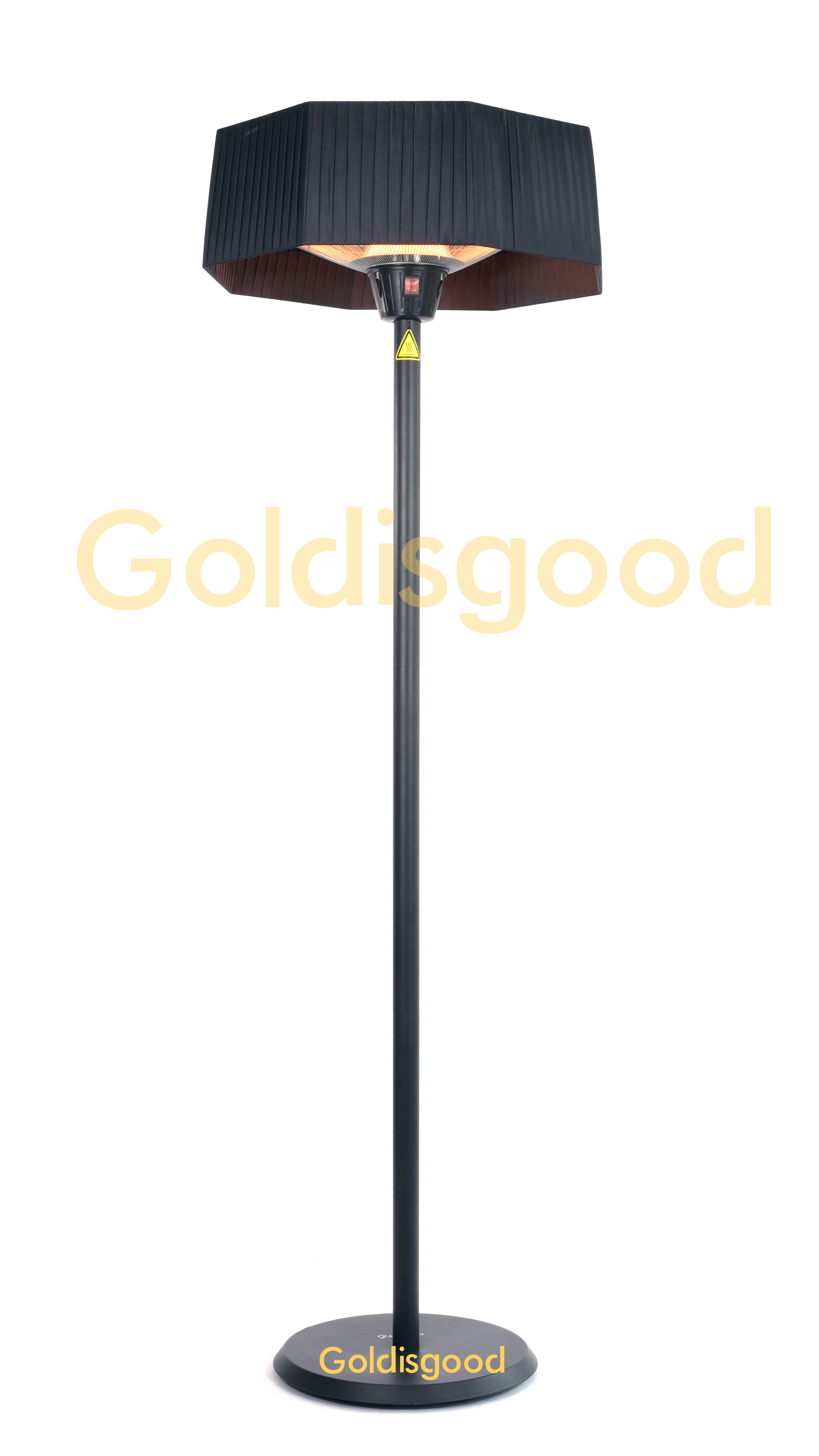
A cold gym floor makes warm-ups drag and your first set feel tight. You need heat that gets into muscles fast, without drying out the air or trying to warm the whole building. That’s exactly why a gym electric heater—built on radiant infrared warmth—earns its keep.
What matters under the hood
We build gym electric heaters around medium-wave infrared elements that deliver instant radiant heat. Think of it like the sun’s warmth, just without the glare. The payoff is targeted comfort, right where you need it and when you need it. If you pick a model with a durable quartz tube or a carbon fiber element, you get fast heat-up, steady output, and a long service life. Add a built-in thermostat and you can hold a steady comfort temperature instead of overshooting and wasting energy. For placement flexibility, look for 120V or 240V options, hardwired or plug-in configurations, and mounting brackets that make installation straightforward—even in tight spots.
Why infrared fits the gym
In a gym, the goal is simple: warm the body, keep joints pliable, and protect performance. Infrared warmth does that by gently penetrating to warm muscles and tissues, so you move with confidence. Because the heat is directional, you can focus it on training zones—near benches, racks, or stretching areas—without running the HVAC at full tilt. That translates to lower operating costs, fewer drafts, and a more consistent feel session to session. For home gyms, it means comfort that keeps up with the effort, so you can train longer and recover more comfortably.
The practical details
Infrared gym heaters work best when positioned to shine on people and key surfaces, not on equipment. Keep clearances to combustibles, and follow local electrical codes for circuit loading and protection. If you’re retrofitting, confirm voltage and outlet compatibility, and consider a dedicated circuit for steady performance. These heaters are quiet and efficient, but the heat is delivered in a focused pattern. In large, open rooms with high ceilings, you may want multiple units—or pair them with a fan-forced option to spread warmth more evenly.