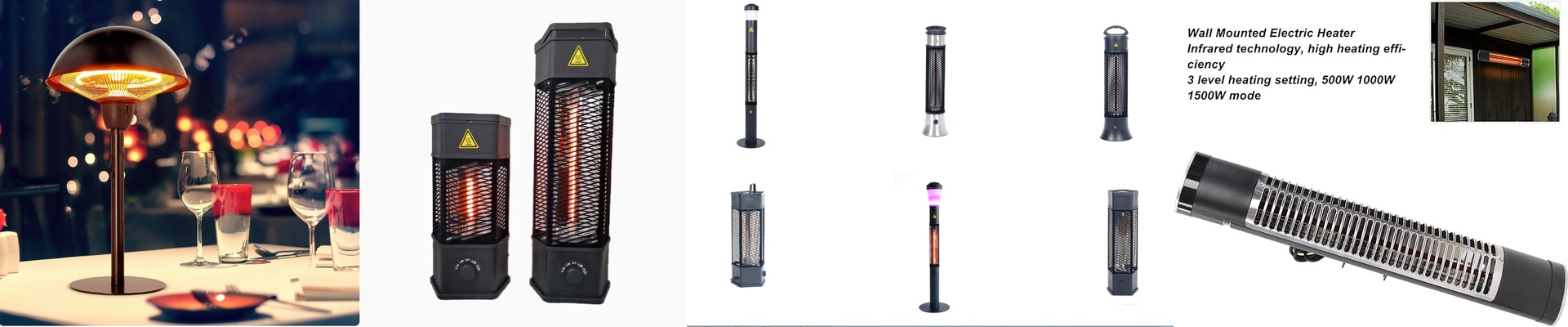
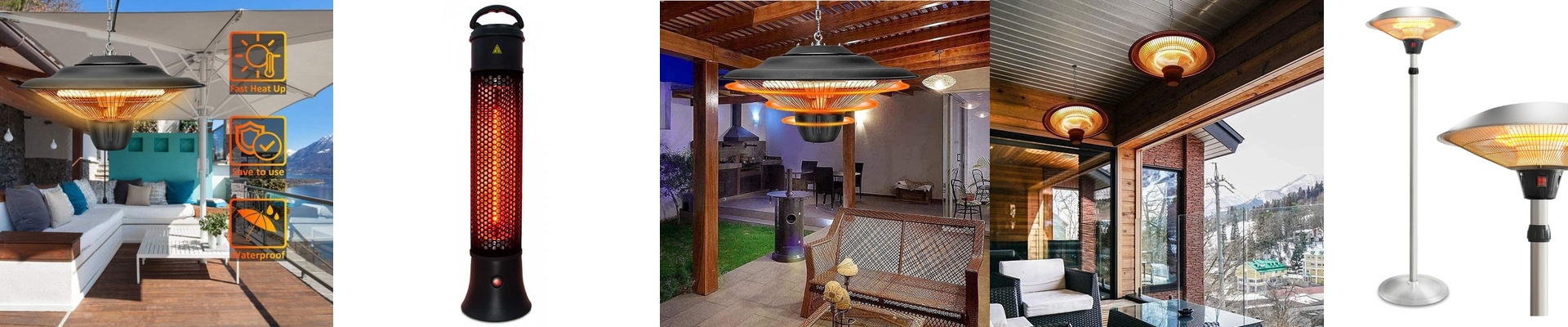
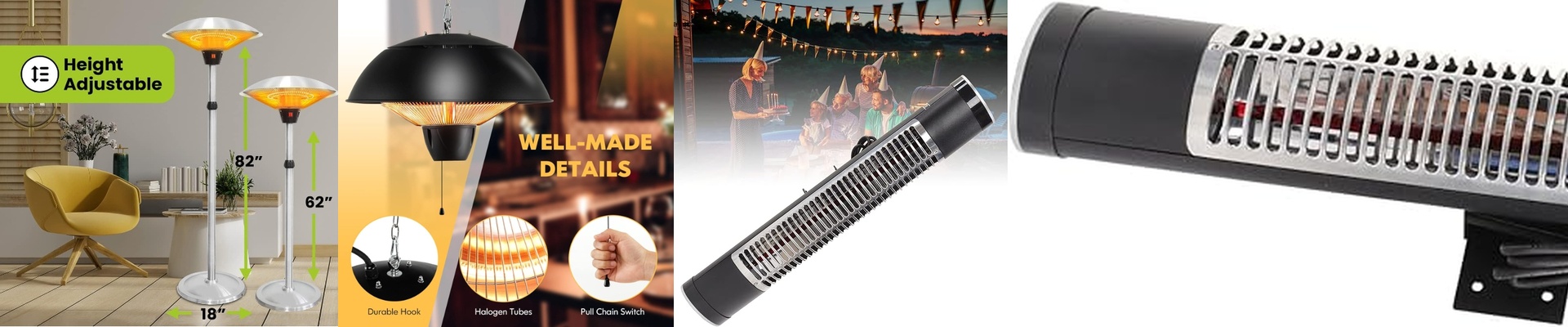
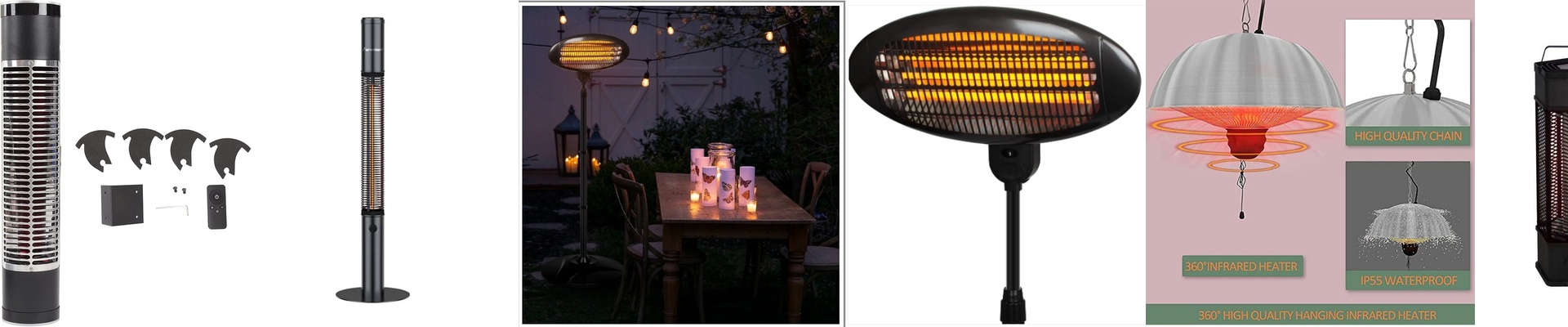
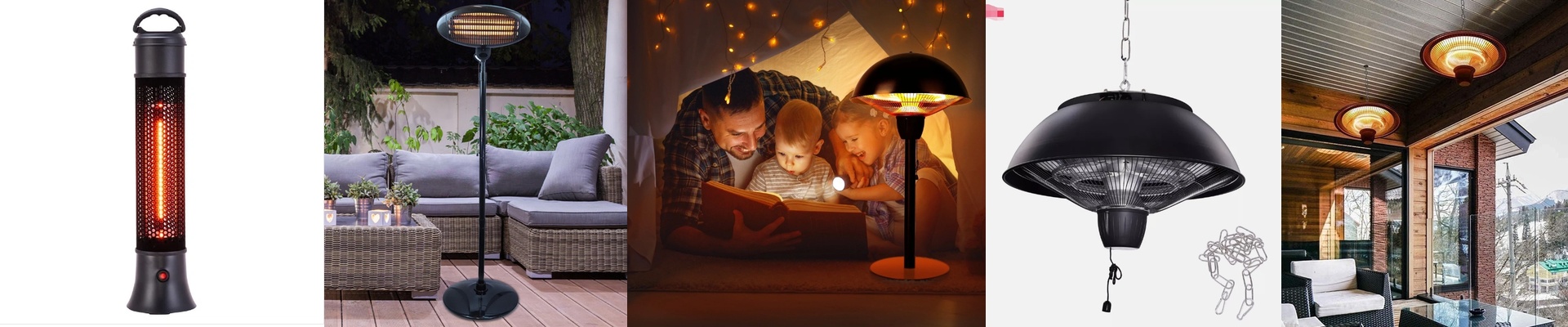
After spending time in 2,000 European homes, one thing stood out: people want warmth that doesn’t take over the room. Cold floors underfoot, shoulders that stiffen up, drafts slipping through cracks—these aren’t just minor nuisances. They pull focus and push energy bills higher. So we built an under-desk infrared heater to meet that need head-on: radiant warmth that stays personal, quiet, and easy to live with.
What matters under the hood
We went with a carbon fiber element because it responds fast and lays down even infrared output. It comes up to temperature in seconds, so you feel the heat almost immediately, and it runs without a fan, so there’s no air being pushed around. The unit is designed for standard 120V outlets, pulls a modest 400–600W, and sits low and slim so it tucks under a desk without crowding your feet. A simple thermostat holds the temperature steady, and tip-over protection shuts the heater off if it gets knocked over. Infrared warmth targets people and surfaces directly, not the air in the whole room, which keeps running costs down.
Why this approach fits
Under-desk heating isn’t just about raising the number on the thermostat—it’s about comfort that supports how you work and rest. In a modern living room or office nook, it warms your legs and core without heating the entire house. That means fewer cycles for your main system, less energy use, and a steadier feel first thing in the morning. For many users, the gentle radiant heat helps circulation and loosens tight muscles, so long stretches at the desk feel less draining. You notice the warmth where it matters—in your body—not in noise or drafts.
The practical details
Clear the space. Keep combustibles at least 3 feet away from the heater, and don’t cover the grille. This unit is for indoor, dry locations only—no bathrooms or damp areas. Set it on a stable surface where it can’t tip, and plug it into a grounded outlet that isn’t overloaded by other appliances. Infrared heating is efficient for personal comfort, but it’s meant to complement your main heating—great for the spot you occupy most, not for heating large open rooms.