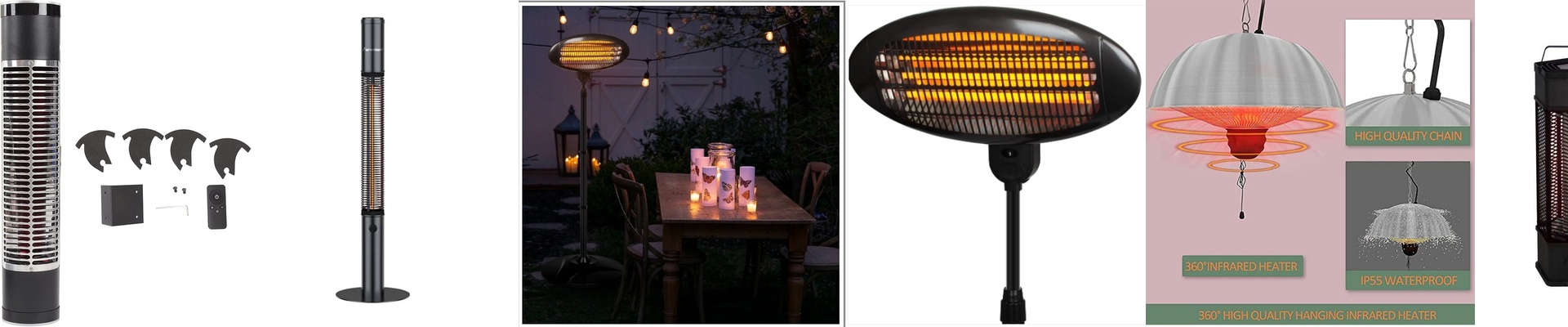
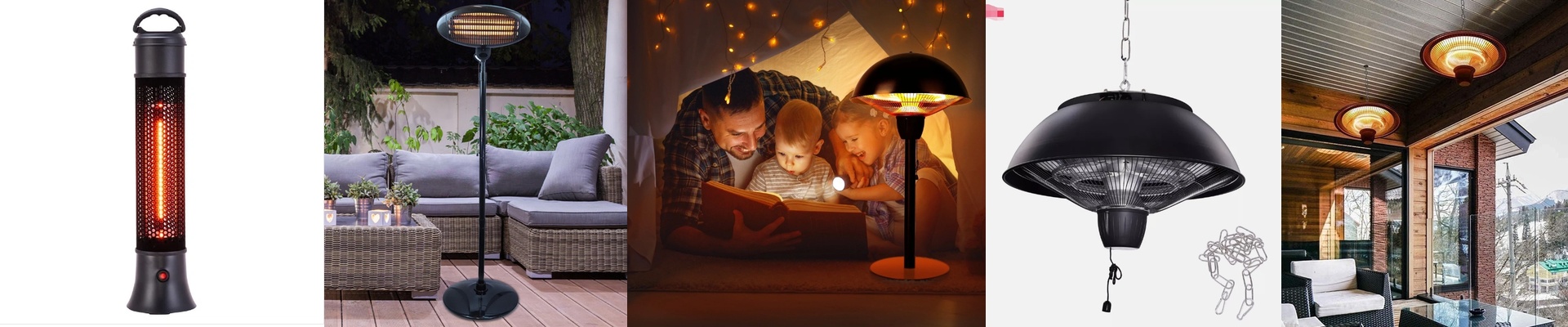
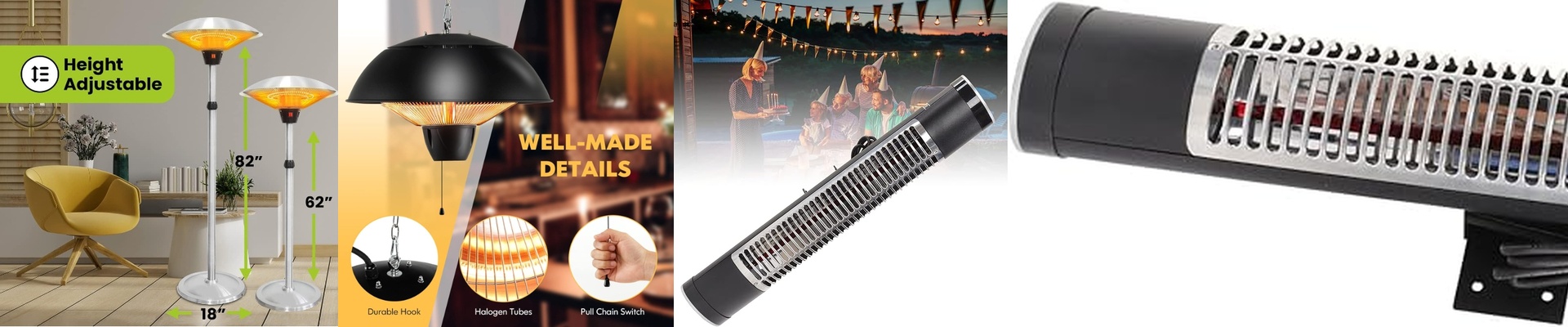
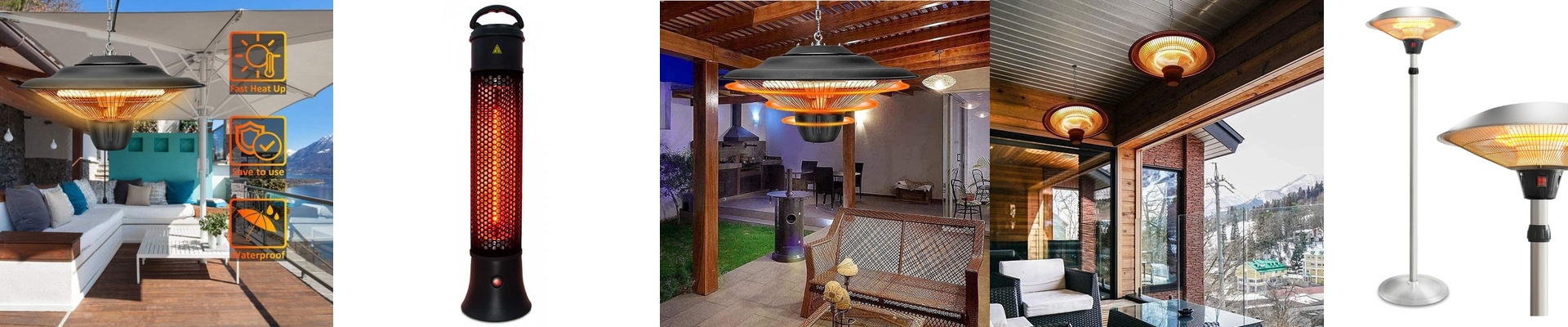
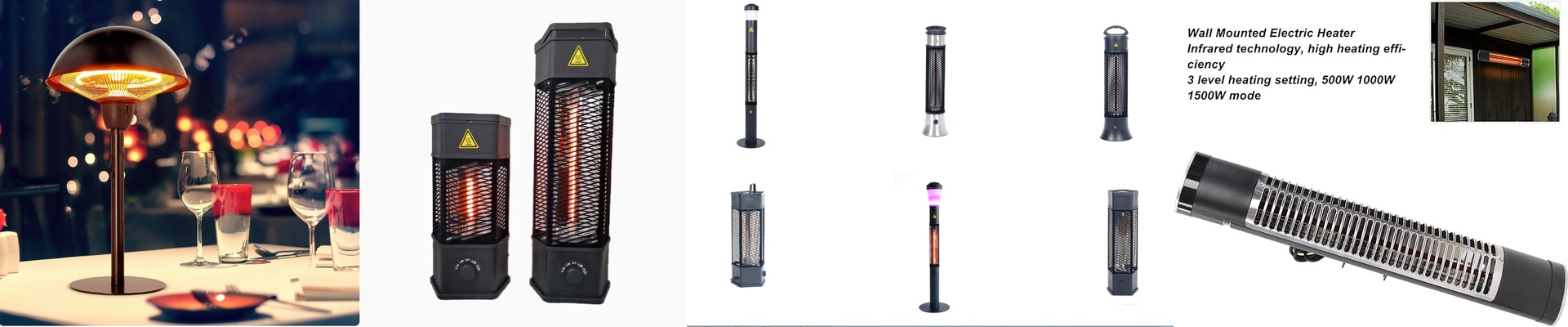
When the nursery needs steady warmth, the electric bill shouldn’t have to follow suit. Many parents still lean on electric oil-filled radiators, and you know the drill—they take time to heat up and keep a lot of thermal mass warm, even after the room is already comfortable. Swap in an infrared heater, and you feel the change almost the second it’s on.
What matters under the hood
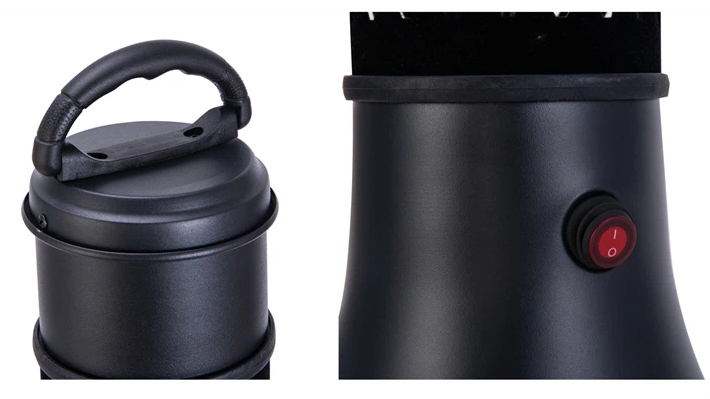
Infrared heaters work the way the sun does—radiating heat straight to people, furniture, and surfaces. A carbon fiber or quartz element comes up to temperature quickly, and the warmth travels outward without needing to “fill” the air first. That means you can often run the thermostat lower while still feeling the same cozy comfort. In practice, you can see real savings compared to electric oil-filled units, because you’re not paying to keep a heavy reservoir of oil hot. They’re quiet, too—no fan noise, no air movement that kicks up dust. For a baby’s room, we build in overheat protection and tip-over protection, and we design for low surface temperatures where hands are likely to touch.
Why it fits the nursery
The nursery needs comfort that’s predictable and gentle. With infrared warmth, you get heat almost the moment you flip the switch—no long wait at bedtime. Because the heat is directional, you can place the heater to warm the crib and the changing station without pushing heat into the whole room. That focused comfort is exactly where the energy savings come from: you heat the space that matters, when it matters.
The practical details
Infrared heaters perform best in well-insulated rooms, and placement matters—line of sight to the areas you use most makes a difference. If you need full-room comfort during very cold spells, pairing with a small, low-watt convection heater can help. Always plug into a grounded outlet, keep the unit well away from bedding, and follow the clearances listed for your specific model.