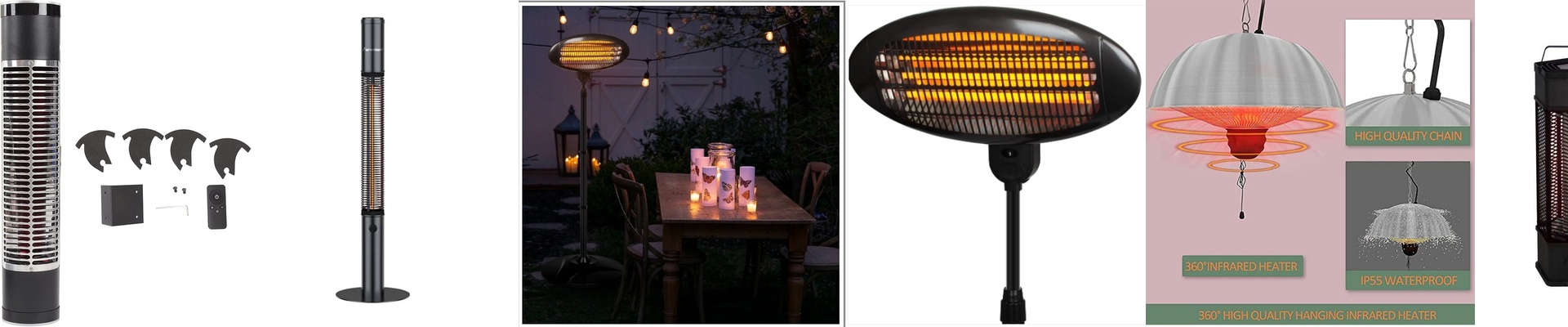
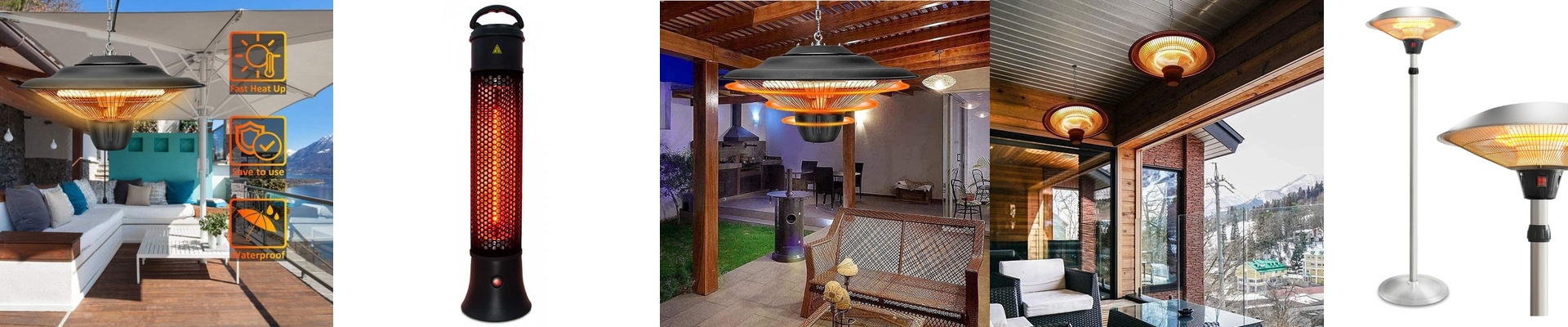
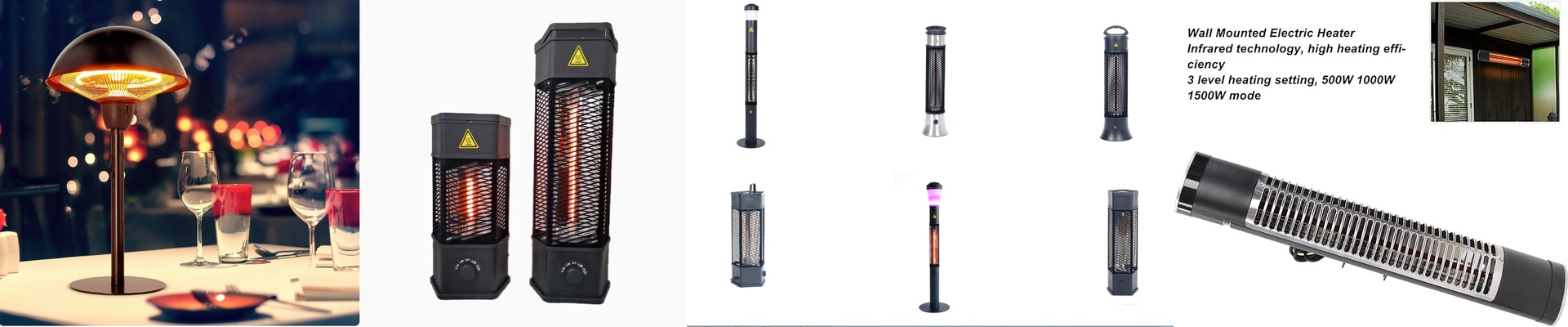
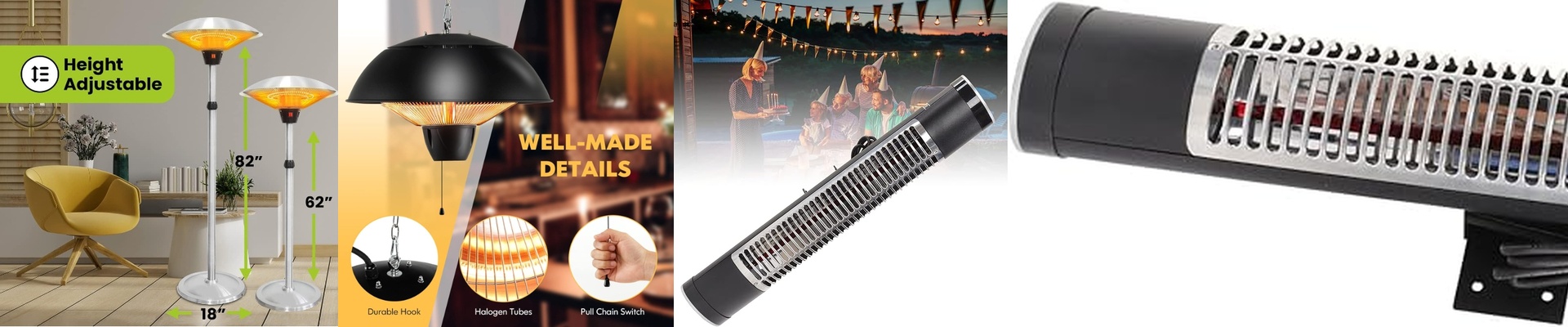
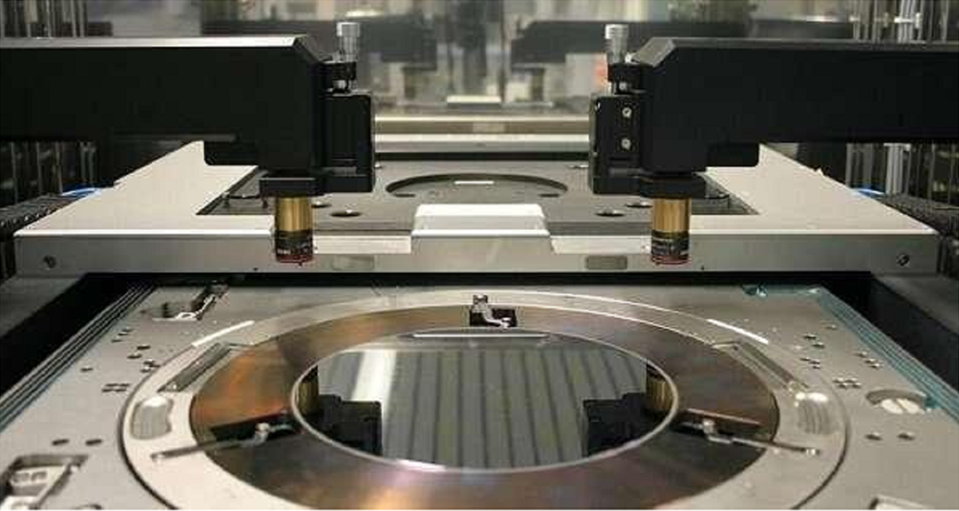
Out on the line, flip chip bonding is a fragile dance when the thermal profile starts to drift. One hot spot, and you can underfill a bump. One cold zone, and you get voids. The heater lamp sits dead center in the thermal budget, and as we keep shrinking nodes, that process window keeps closing. We built our flip chip bonding heater lamp to keep that window from shrinking on us. What matters, technically We run short-wave infrared (NIR) through a quartz envelope so the heat couples straight into the substrate—fast and clean. Across the bond zone, wafer-level uniformity holds at ±0.1°C, and run-to-run repeatability stays tight because lamp output is closed-loop controlled against mapped thermocouple data. Cleanroom compatibility isn’t something we bolt on: we pick materials and surfaces that keep particle generation near zero, so it sits comfortably in Class 1–100 environments. The system runs 24/7 with predictable maintenance intervals, and output drift stays below 5% over 5,000+ hours. Why this works in practice In flip chip bonding, you need a quick, controlled ramp to reflow solder without beating up underfill or low-k films. This lamp hits setpoint fast, then holds it without overshoot, so the thermal cycle is repeatable and your Cp/Cpk stays where it should. The same lamp also pulls double duty on adjacent steps—photoresist soft bake and hard bake—where temperature precision protects linewidth control and cuts down skin effect. The payoff: fewer rework lots, stable yield, and lower energy per unit processed. Here are the practical details The lamp drops into standard bonders and oven modules, but the thermal interface has to match the tool’s heat path. You’re looking at a short commissioning period to align the lamp map with the stage map. And while NIR gives you fast response, reflector alignment is sensitive—treat it as a controlled variable during setup, and lock it into the preventive maintenance schedule.