

Stop the Shards: Keeping Your Wafers Clean When Lamps Fail
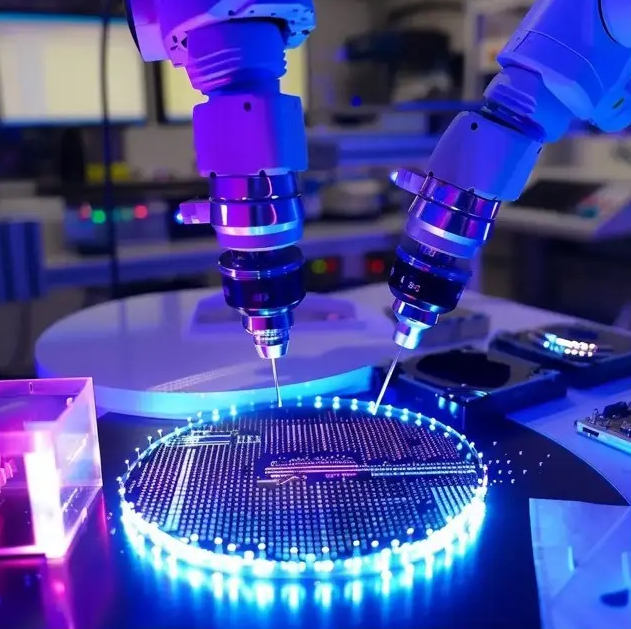
In a high-load fab, a lamp bursting isn’t just a “technical glitch” or a bit of downtime. It’s a nightmare. One quartz tube pops, and suddenly you’ve got glass shards and tungsten filaments raining down on your wafers. Just like that, entire batches are scrap. It’s a mess, it’s expensive, and it’s completely avoidable. That’s why we built our infrared curing lamps to handle the pressure—literally. Why do they actually break? Usually, it comes down to thermal shock or those annoying localized hotspots. To fix this, we use high-purity fused quartz. It’s chosen specifically because it can handle rapid heating and cooling without cracking. We also obsess over the wall thickness and the halogen fill. When those are uniform, you don’t get the internal pressure spikes that turn a lamp into a grenade. Keeping the mess contained But let’s be real: things happen. So we added a second line of defense. We’ve integrated protective shielding and reinforced end-caps. The seal between the lamp and the housing is tight. If a tube does happen to fail, the containment system catches the debris. The glass stays in the housing, and your wafers stay clean. Plus, we use special coatings to steady the heat output. It takes the stress off the quartz when you’re running at peak loads. A few tips for the floor Here’s the thing: these lamps give you way more heat density, but that puts a lot of strain on your cooling manifolds. If your airflow isn’t dialed in for the total wattage, the ambient heat will eat your lamp life alive. Keep a close eye on the current draw. If you see a sudden dip, that’s usually the filament telling you it’s about to go. It’s your warning sign to swap it out before it pops. And please, use precise PID control. Voltage spikes are killers. If you ramp the power properly, the quartz lasts longer and your fab floor stays spotless. Simple as that.