

Keeping Your Class 100 Cleanroom Actually Clean
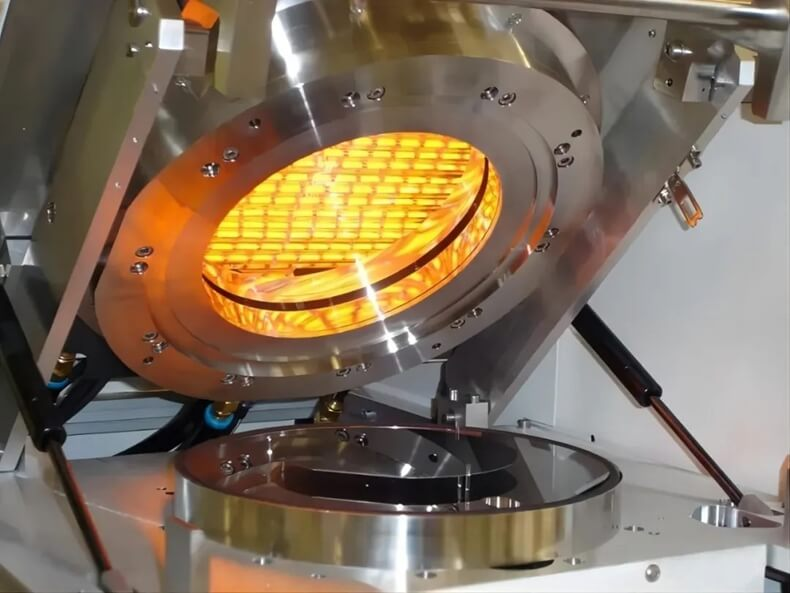
When you’re working in a Class 100 environment, the last thing you need is your heating element deciding to shed particles all over your gear. It happens more than people admit. Standard heaters tend to flake or off-gas during thermal cycles, and if that happens, your wafers or high-precision optics are basically toast. We deal with this by using high-purity synthetic quartz IR lamps. They’re built specifically to live inside vacuum chambers without making a mess. The secret is in the quartz. We use fused silica that’s stripped of metallic impurities. Why? Because when the lamp hits peak temperature, you don’t want it spitting out volatile organic compounds (VOCs). Some people use coated lamps, but those can peel over time. Our clear quartz stays stable. It doesn’t flake, and it handles the shock of rapid heating and cooling without cracking. It just works. Getting it into the vacuum chamber Fitting these lamps into a vacuum setup is all about the details. We build them to handle pressure differences so you don’t have to worry about leaks. Just a heads-up: make sure your seals around the feedthroughs are airtight. Since there’s no air to carry the heat away, everything happens via radiation. The energy goes straight into your workpiece. It’s efficient, but it’s intense. A few things to watch out for Here’s the catch. High-purity quartz is great for IR energy, but it’s fragile. One clumsy move during installation and you’ve got a cracked tube. Also, because these lamps put out so much localized heat, you’ve got to get your cooling manifolds right. If you don’t, you might find your vacuum chamber walls warping, and that’s a nightmare to fix. Keeping things running We designed these for quick swaps because nobody likes cleanroom downtime. When you’re installing them, be careful with your connectors. Use the right torque—don’t over-tighten them, or you’ll create stress fractures in the quartz. And if you notice the wattage dipping? Resist the urge to overvolt the lamp to make up for it. That’s a shortcut to burning out the filament. Just swap the tube and recalibrate your PID controller. You’ll save yourself a lot of headaches in the long run.