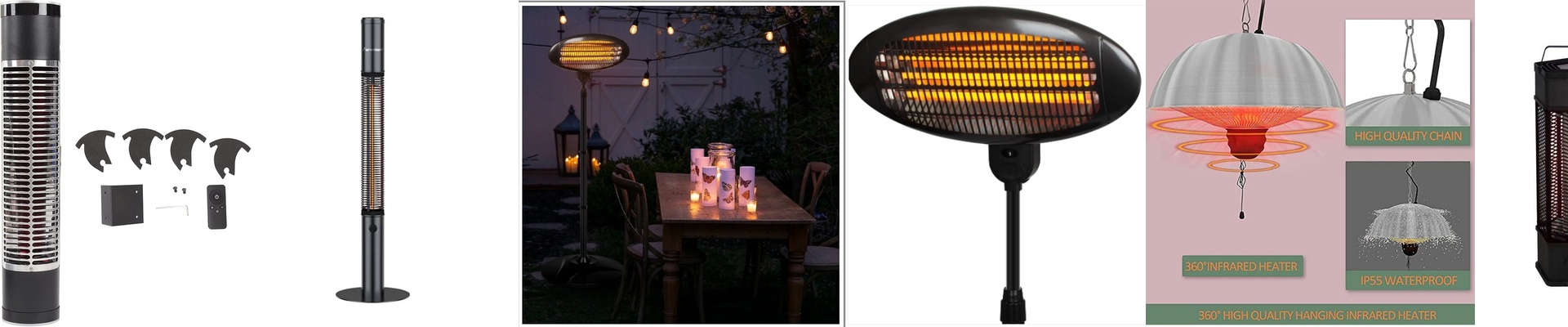

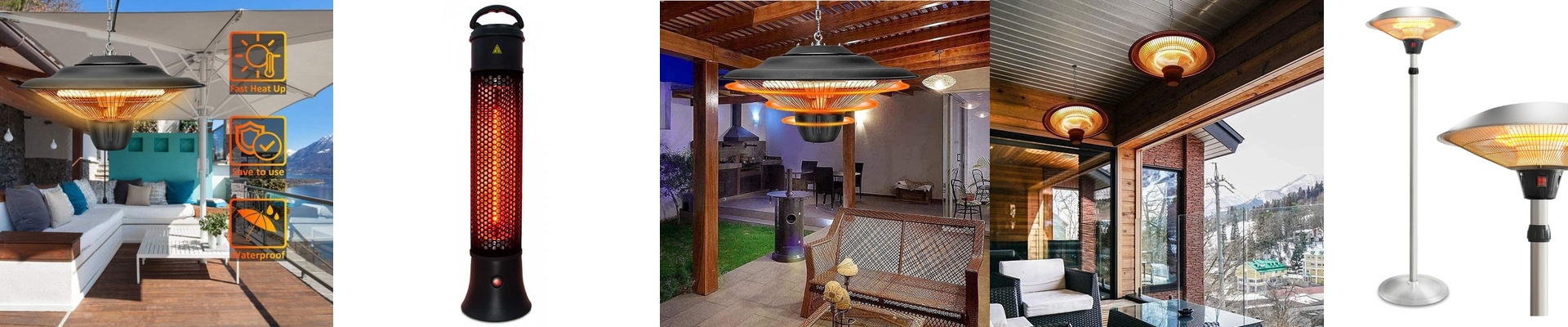
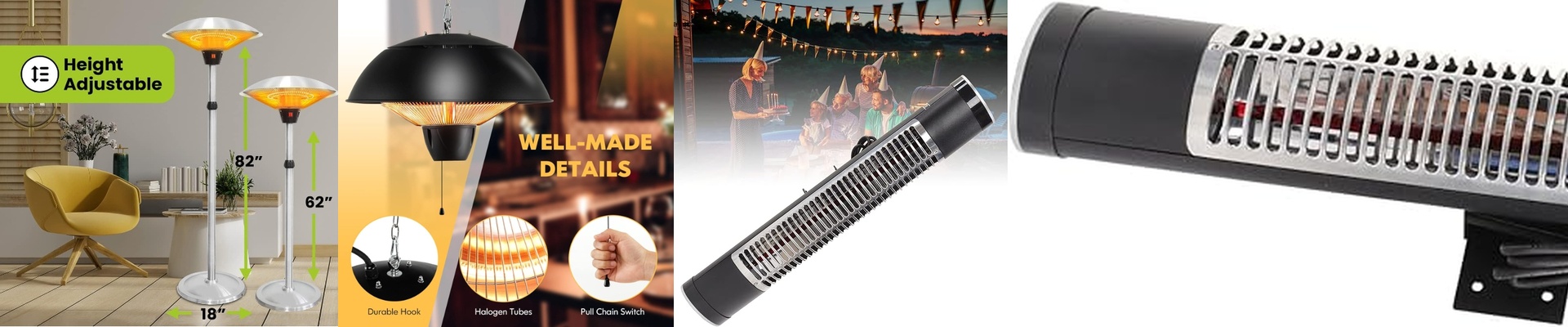
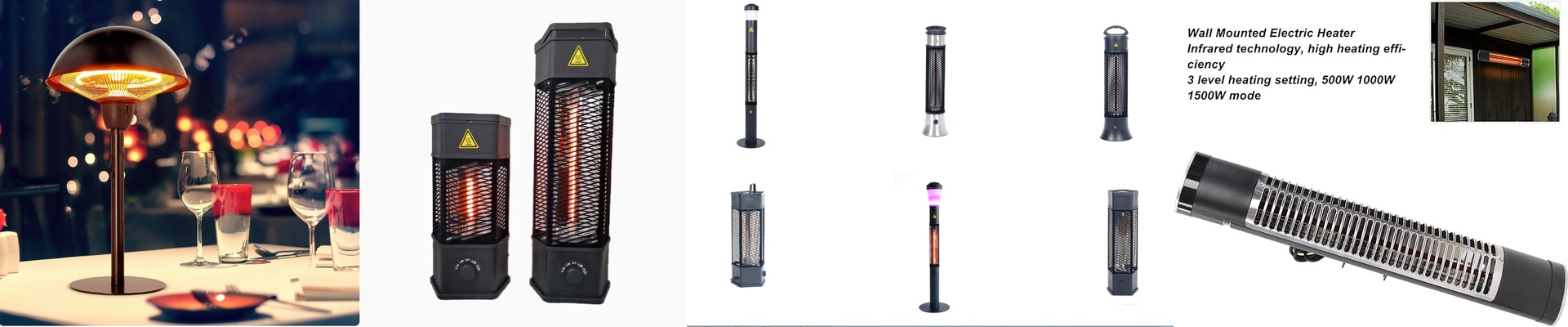
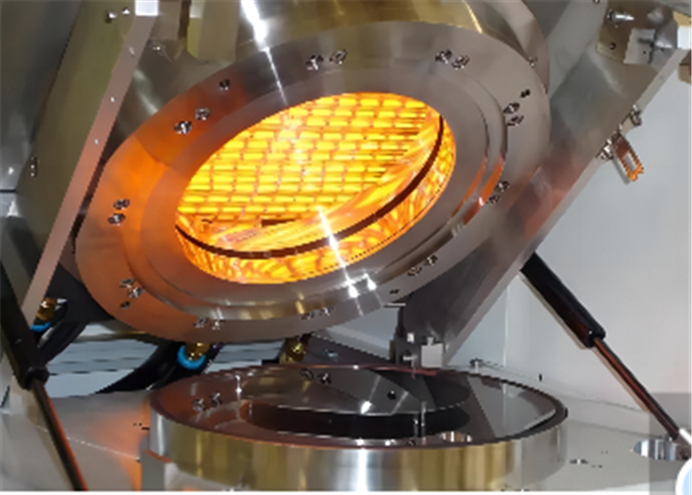
We built these aluminum reflector infrared lamps for the real world—the kind of industrial heat that doesn’t mess around. When you’re wiring up a high-wattage IR lamp, you need heat that hits on command, and you can’t cut corners on electrical safety. So before a single lamp leaves our shop, we put it through full dielectric strength and insulation resistance testing. Every. Single. One.
Power, Voltage, and Size: What Matters Under the Hood
At the core, these lamps are all about packing serious power into a small footprint. They run at high voltage, so they respond fast and get hot—quickly. The tube length and reflector alignment are held to tight tolerances, because that’s what keeps the heat focused exactly where you need it, instead of bleeding off into the frame.
The Reflector and the Safety That Backs It Up
That aluminum reflector isn’t just a shield. It’s an efficiency booster, pushing more infrared energy forward and cutting down wasted heat. But efficiency doesn’t mean much if the electrical integrity isn’t rock solid. So we stress-test each lamp at high potential to make sure the live element stays fully isolated from the outer body. It catches the tiniest weak spot before it could ever turn into a failure out in your machine.
Built for the Shop Floor, Not the Showroom
On an industrial floor, lamps get hammered—thermal cycling, vibration, constant on/off cycles. Our testing is there to make sure the lamp survives the startup surge and keeps running, without breaking down. The result? A reliable, drop-in replacement you can trust when the work is demanding. Just keep one thing in mind: all that thermal output means your system has to be ready, too. Make sure your cooling and wiring are properly rated. We handle the lamp’s toughness. You handle the setup on your end.