Stop Letting the Cold Kill Your Patio Profits
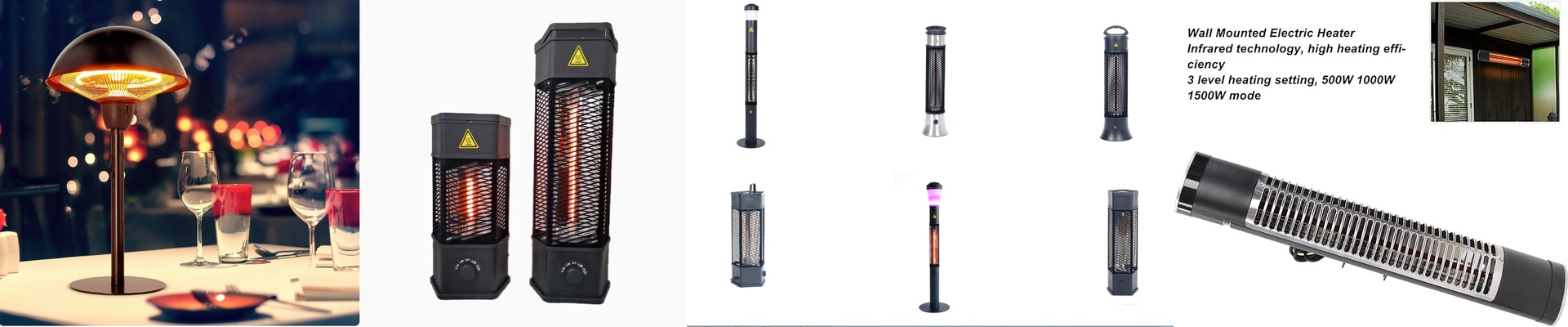
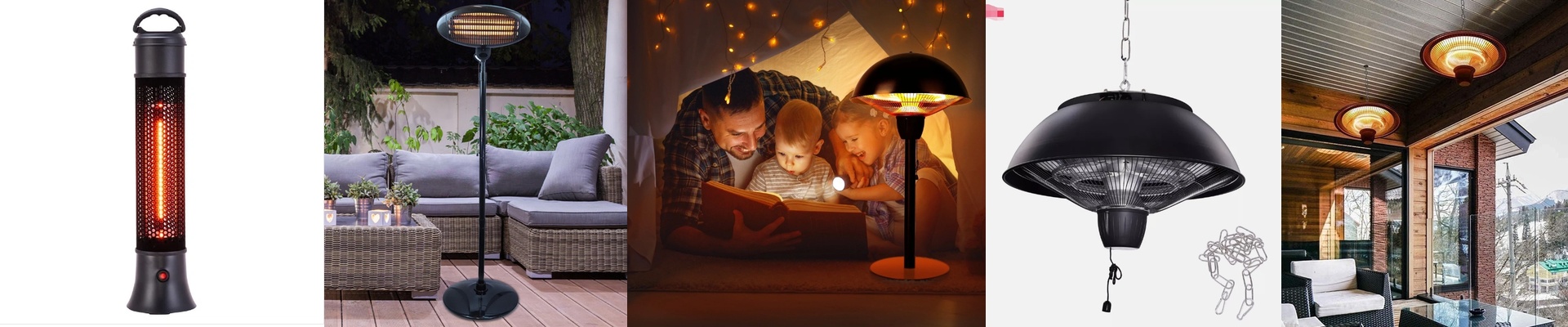
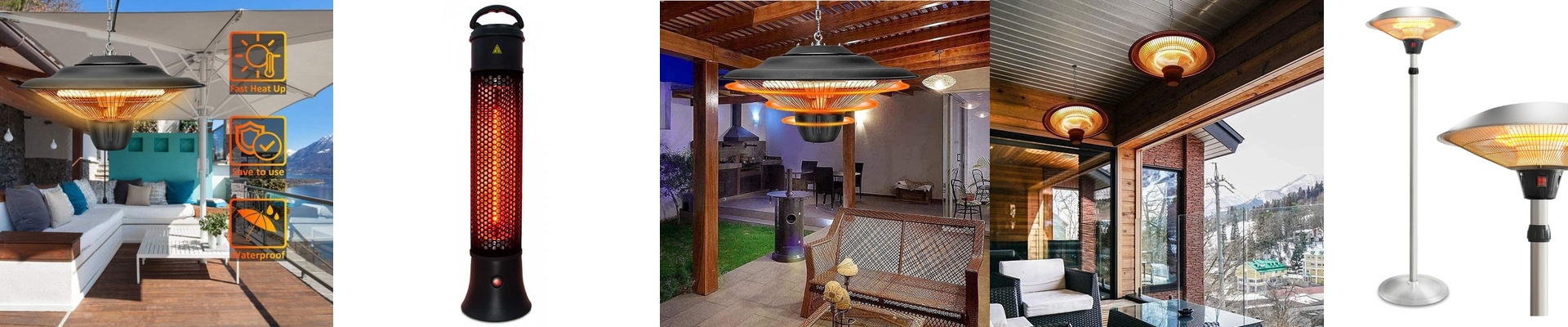
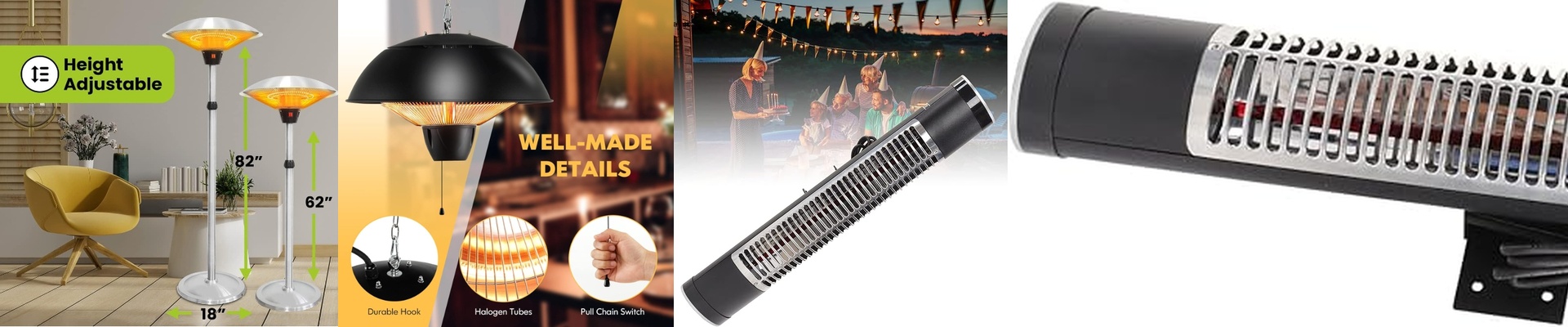
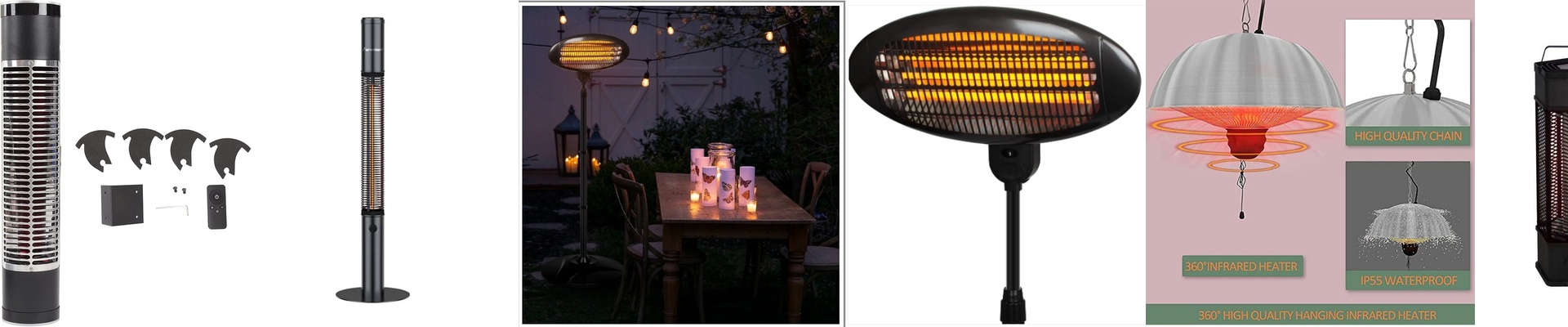
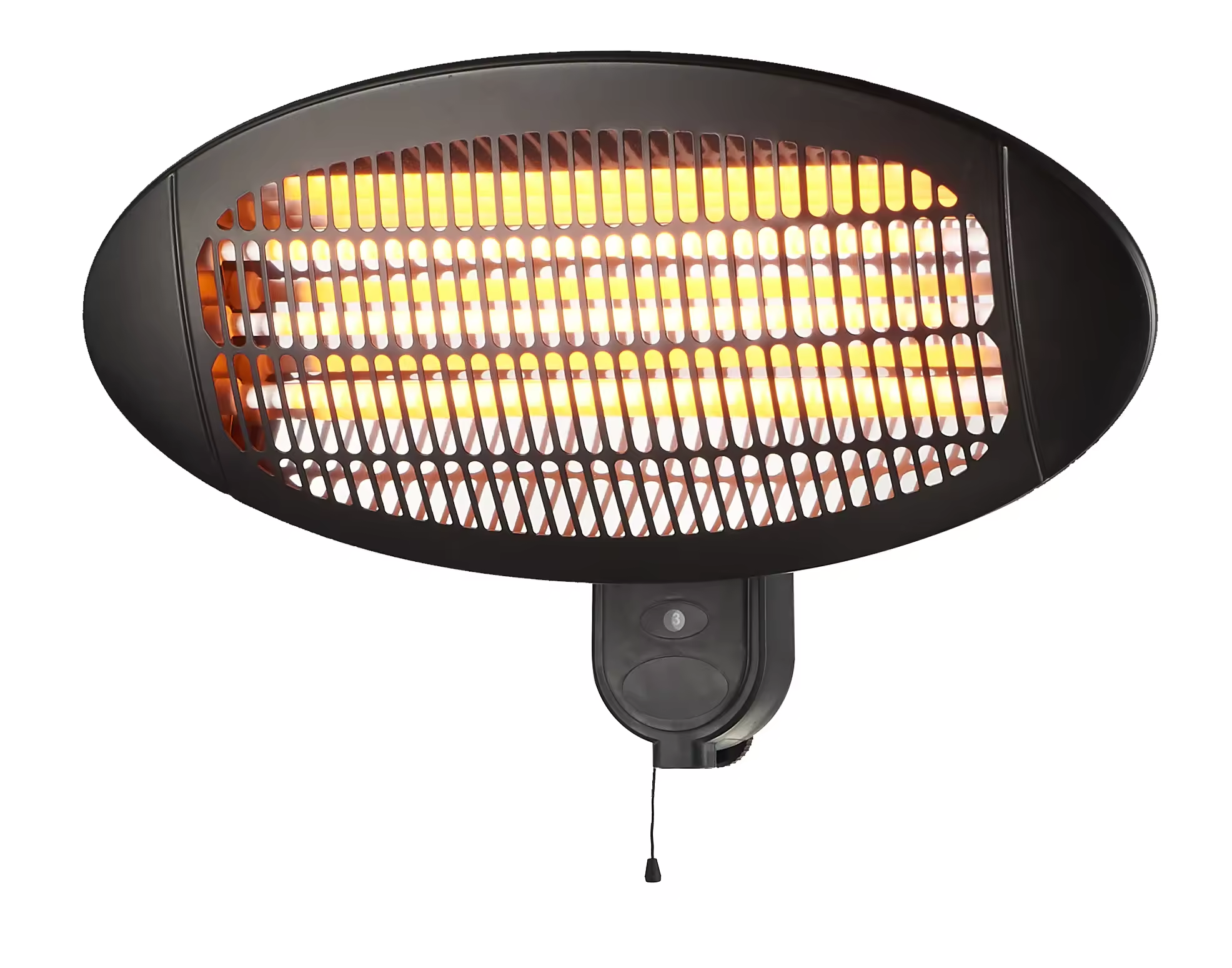
It’s a classic problem. The food is great, the drinks are flowing, but the second a chill hits the air, your guests start looking at the exit. When people get cold, they leave. It’s that simple. That’s where shortwave infrared heaters come in. Now, forget those old-school heaters that try to warm up the air. That’s a losing battle because the wind just carries all that expensive heat away. Infrared is different. It doesn’t care about the breeze. It goes straight for the people. How it actually works Think of it like the sun. You can feel the sun’s warmth on your skin even if the air around you is freezing. These heaters use high-wattage quartz elements to do the exact same thing. They create a little bubble of warmth right around the table. You aren’t wasting money trying to heat the entire street—you’re just keeping your customers cozy. Getting the setup right You can’t just throw these up and hope for the best. You’ve got to think about where people are sitting and how high the ceiling is. If you have a high ceiling, you’ll want a more powerful lamp. That way, you can mount it high enough that it isn’t baking the top of your guests’ heads, but still keeps them warm at shoulder level. One big warning:don’t just plug these into a random dining room outlet. These units pull a lot of power. If you don’t have a dedicated circuit and the right cabling, you’re going to trip your breakers or see your lights dim. It’s a headache you don’t want during a Friday night rush. Keeping the tables full When people are warm, they linger. They order that second bottle of wine or a dessert they weren’t planning on. By getting rid of that “I’m freezing” feeling, you keep the seats filled longer. Just remember: infrared works like a flashlight. It’s a straight line. If you put a big pillar or a fancy umbrella between the heater and the table, you’ve just created a cold spot. Map out your layout carefully. Make sure there’s a clear path from the heater to the guest, and you’re golden.