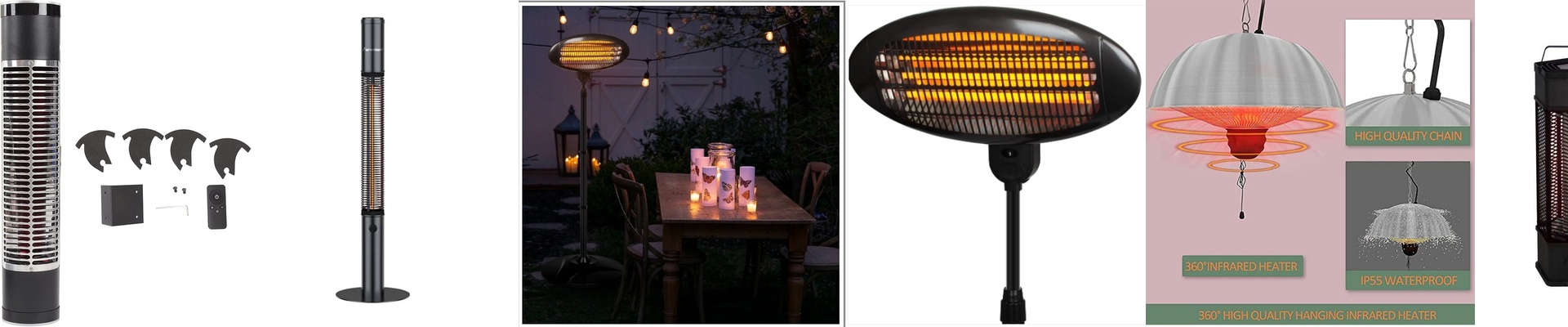
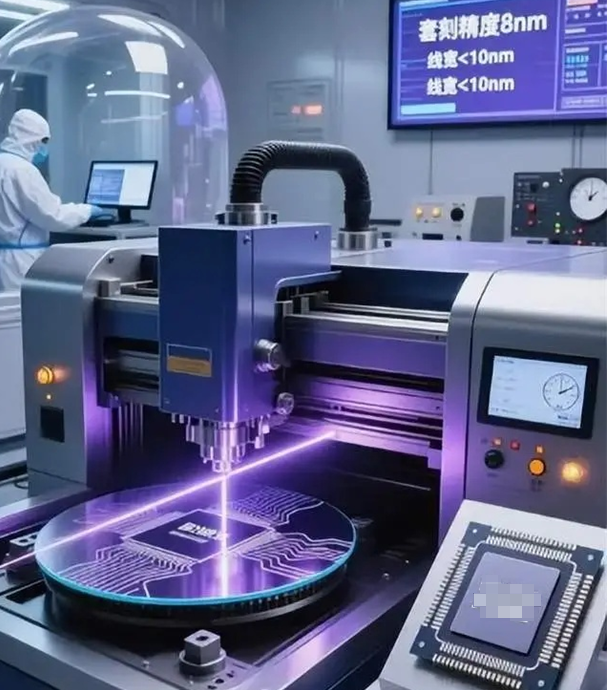
On the fab floor, temperature uniformity isn’t a metric you chase—it’s the thin line between making die and eating scrap. A 1°C swing across the wafer during the photoresist bake can push linewidths off enough that the error rides all the way to final test. We built our ceramic infrared heater panel to take that risk off the table. What matters, technically The panel runs ceramic infrared emitters with short-wave response, so you get fast, direct-coupled heating without a lot of thermal lag. Across the active surface, we hold wafer-level uniformity at ±0.1°C, and setpoint repeatability stays inside the same window. The faceplate is built for Class 1–100 cleanroom use, with low-outgassing materials and a sealed build that keeps particle generation at zero during steady state. Control is closed-loop, and multi-zone compensation flattens the thermal gradients that tool geometry tends to create. Why it holds up in real processes On lithography tracks, this panel locks down the soft bake and hard bake that set photoresist profile and adhesion. Tight uniformity cuts CD variation, widens the process window, and reduces scrap. The fast thermal response shortens recipe time without giving up soak accuracy, so throughput goes up and energy draw goes down. That same stability carries into packaging thermal steps, where a repeatable temperature history lowers the odds of delamination and voids. Fewer rework lots, less scrap, and cycle times you can count on. The practical details you can’t skip The panel integrates cleanly, but alignment to the wafer plane—and to the tool’s exhaust path—is critical. Get that wrong and you’ll see localized hot spots and drift. Make sure you leave enough clearance around the emitter array, and confirm the controller matches your tool’s interlock and recipe structure. The panel runs at line voltage, so it needs a dedicated, filtered feed to keep temperature stable and to keep EMI out of the sensor loop.