Introduction
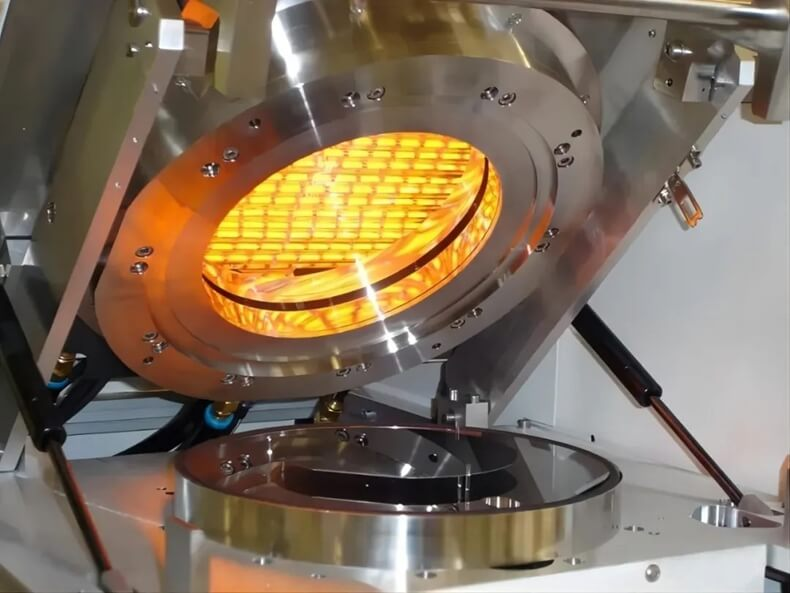
Picture this: you’re building a semiconductor fab that’s ready for the future. The kind of place where everything is precise, lightning-fast, and totally connected. When it comes to the heating system, you need a thermal source that can keep up. That’s exactly why we built our Halogen Infrared heating lamps. They’re the heartbeat of thermocouple-controlled heater blocks in the semiconductor world. These lamps deliver a sharp, focused burst of energy right where you need it—on the wafer. No wasted heat. No energy bleeding out into the room. Just pure, targeted power.
Technical Deep-Dive
It all comes down to delivering energy with real punch. We dial in the lamp power to match the voltage, so you hit that exact thermal profile your process is asking for. Take our 400V input paired with a 300mm tube. That combination gives you a heat footprint that’s intense and precise. It’s like a laser beam of warmth, hitting the surface hard where it counts. The wattage is tuned for instant response. The system heats up fast, which means your cycle times stay tight. No waiting around.
Material & Design
The tube itself is wrapped in quartz. Why? Because it can handle sudden, brutal temperature swings without cracking. It’s tough as nails. Inside, the halogen gas creates a closed-loop cycle. It protects the filament and keeps the output steady, hour after hour, for thousands of them. We also added a special reflective coating. It pushes the infrared energy forward, making sure every bit of heat is aimed where you need it. For installation, we use the R7s connector. It snaps in quick, handles the high current, and stays put—even when things are vibrating in a tight equipment bay.
Application & Benefits
Inside a semiconductor heater, this lamp teams up with the thermocouple to close the control loop. The infrared energy gives you instant, clean heat, so the thermocouple can sense temperature changes in real time and adjust power on the fly. That means no overshoot. The temperature stays steady, right in the sweet spot of your process window. Now, here’s the trade-off: this system packs a lot of heat density. So the surrounding machinery needs solid cooling to keep the ambient temperature in check. But for engineers? You get a reliable, drop-in piece that works cleanly with digital production lines. It just fits.