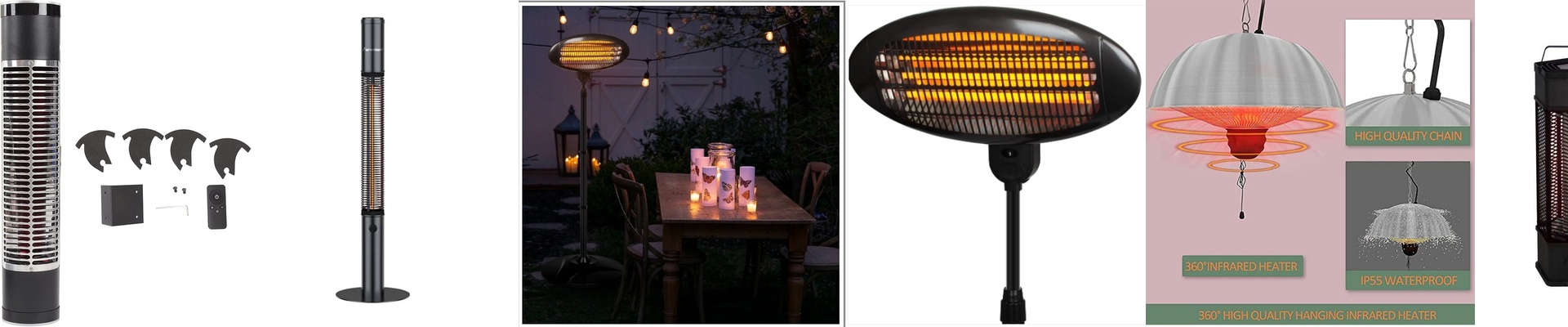
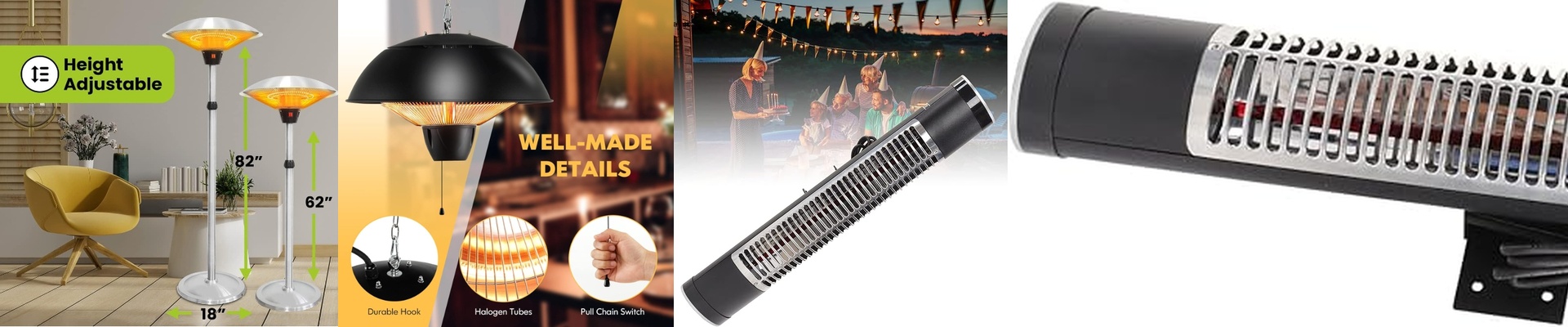
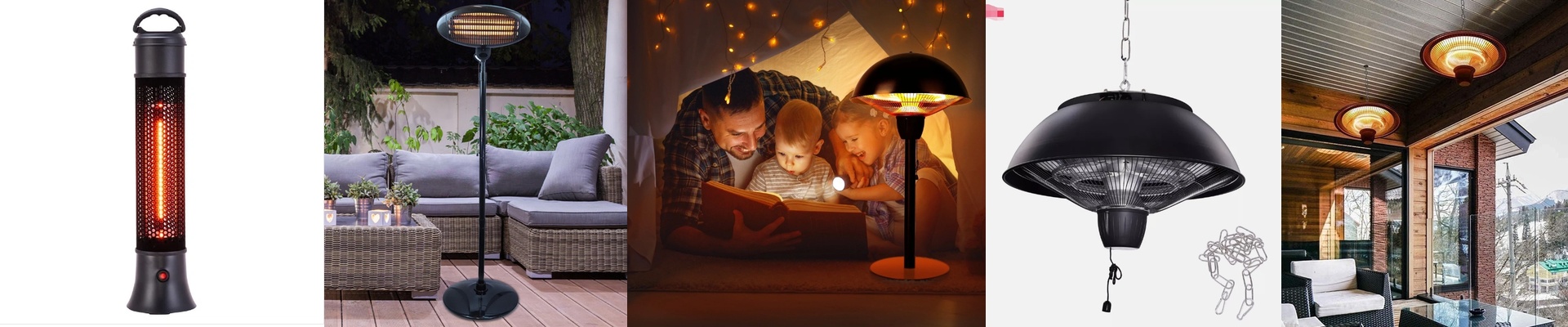
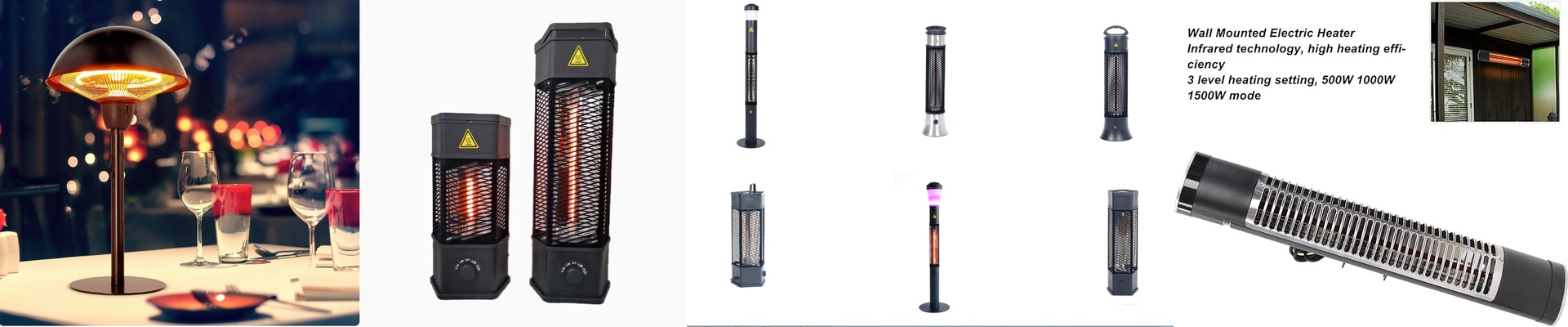
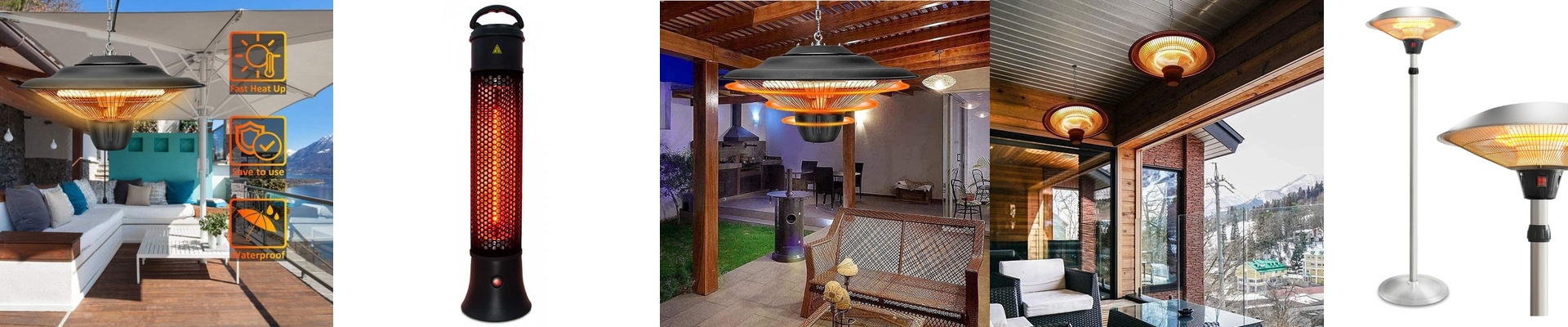
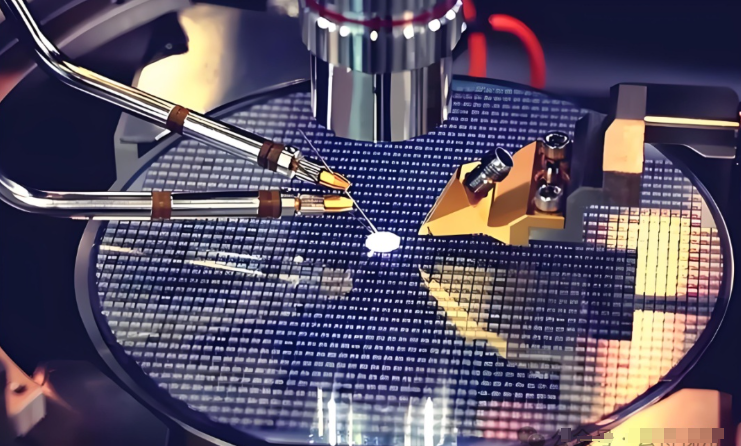
Think about a standard convection oven. It heats up everything—the air, the racks, and even the outer walls. In a semiconductor clean room, that’s a problem. You’ve got operators walking by who could get burned just by brushing against the cabinet, and you’re wasting a ton of energy heating up metal walls that don’t need to be hot. We figured out a better way: directional infrared (IR) heating. Here is the trick. Instead of heating the air, IR lamps send out radiation in a straight line. It goes right to the workpiece. By using reflectors to aim that heat exactly where it needs to go, we can keep the center of the chamber scorching hot while the oven walls stay cool to the touch. We use short-wave quartz lamps for this. They’re great because they penetrate deeper into the material and react almost instantly. If you pair them with fast-switching controllers, you get incredibly precise temperature ramps. But there is a catch. Because the heat is so concentrated, it’s intense. If your target is too close or your reflectors are slightly off, you can warp a fixture or burn through a component in a heartbeat. You have to be smart about your PID controller specs to make sure you don’t overshoot the temperature. The real win, though, is the efficiency. You aren’t fighting the thermal mass of a giant metal box anymore. Everything warms up faster, and your facility’s HVAC system doesn’t have to work overtime to cool the room down. Plus, your team can actually work around the gear without worrying about burns. If you need a smaller footprint and tighter control, it’s a pretty easy swap for those old-school heating elements.