

Cutting Carbon in Semi-Fab with Vacuum IR
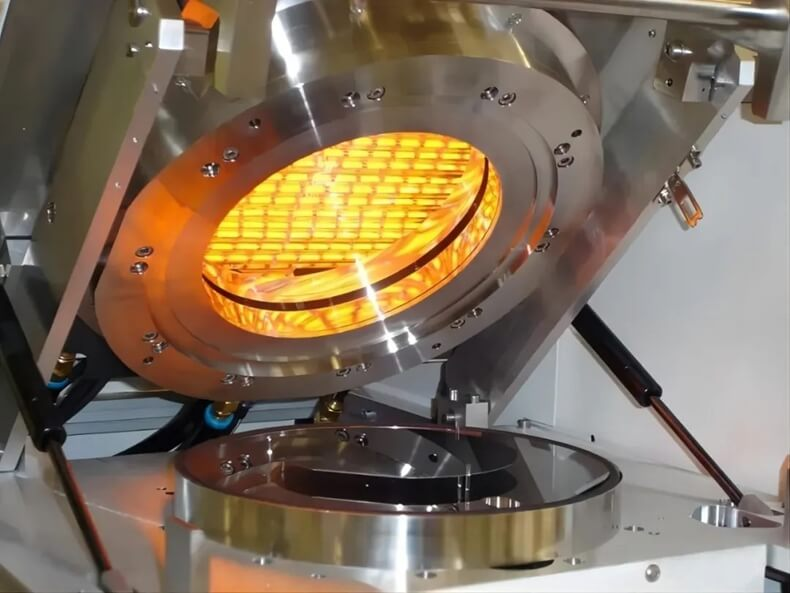
If you’ve spent any time in a fab, you know the struggle. You need pinpoint temperature control, but you’re doing it in a vacuum to keep oxidation and gunk out of your wafers. Most people just stick with traditional resistive heaters, but we’ve found a better way: vacuum-compatible IR heaters. It’s a simple switch, but it makes a massive difference in your energy bill and your carbon footprint.
The physics of it (without the textbook)
Here is the thing about vacuums: you lose convection entirely. You’re left with just radiation and conduction. We design our IR lamps to lean into that. Instead of wasting energy heating up the entire vacuum chamber wall—which is basically like trying to heat a whole house just to warm up a cup of coffee—we focus the energy spectrum. The heat goes straight into the wafer. Because the chamber walls stay cooler, your chillers and cooling pumps don’t have to fight an uphill battle. They just breathe easier. And that saves a lot of power.
The gear and the setup
We use high-purity quartz and specific filaments because “close enough” doesn’t cut it here. If there’s any impurity in the lamp, it’ll outgas, foul your vacuum, and kill your yield. That’s a nightmare nobody wants. When you’re picking these out, just look at your vacuum levels and how fast you need to ramp up. But the real win?Speed. Heavy ceramic heaters take forever to get going. They’re sluggish. IR lamps hit your target temp in seconds. You spend way less time just idling and waiting for the machine to catch up.
The honest trade-offs
I won’t tell you this is a magic wand. High-density IR heating has its quirks. Shortwave IR is intense. If your wafer is off by even a few millimeters, you’ll get localized hotspots. To stop that, you’ll need a solid PID controller and a pyrometer you can actually trust to keep things uniform. Also, watch your power supply. If you get voltage spikes, you’ll burn out your filaments. And for heaven’s sake, use high-temp leads. If you don’t, your insulation will fail at the feedthroughs, and you’ll be right back where you started.