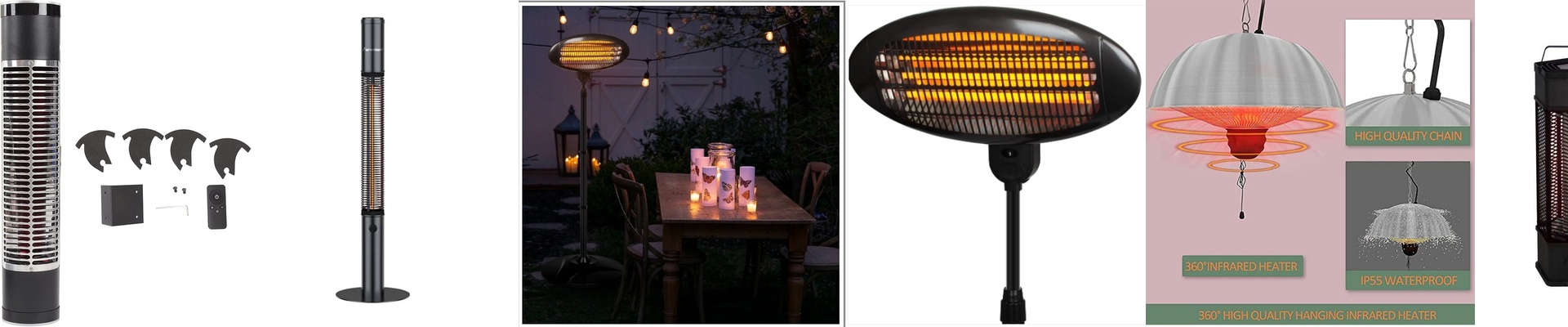
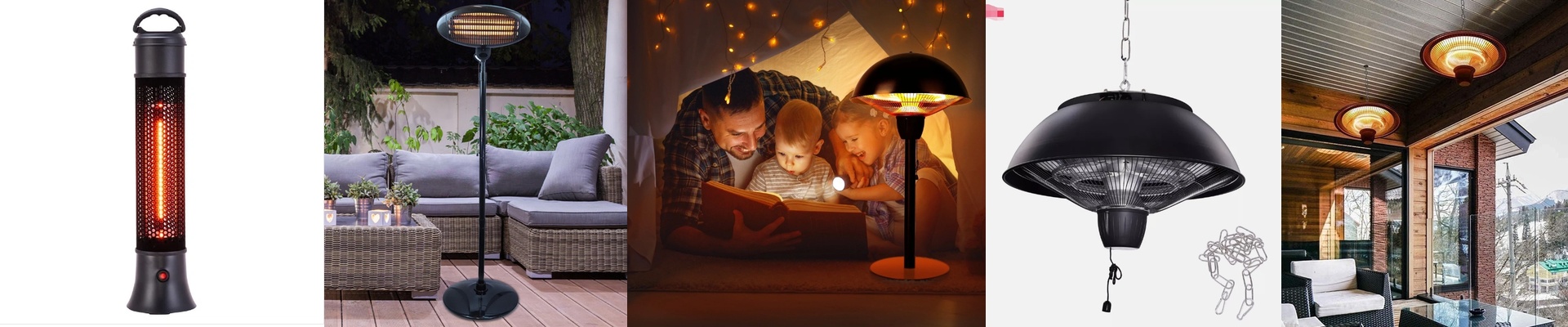
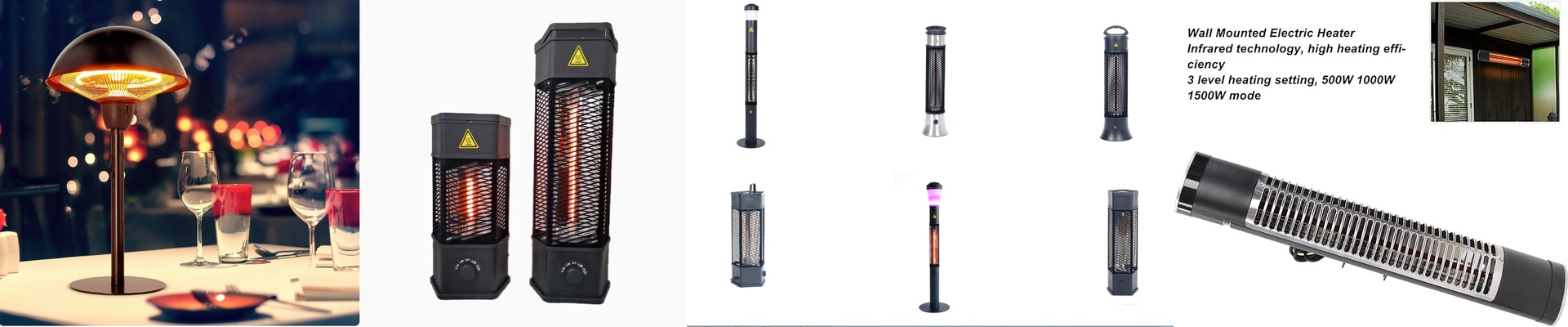
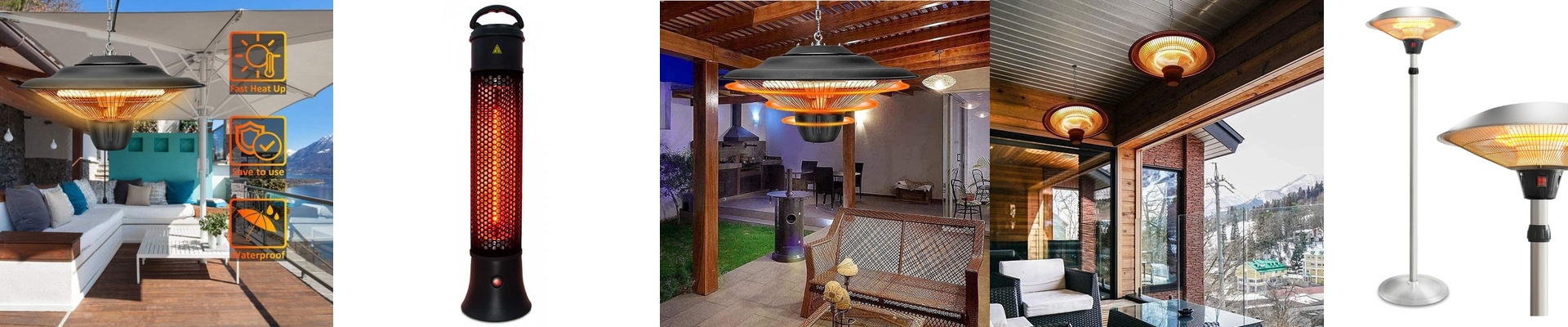
Why You Can’t Cut Corners with Explosion-Proof Quartz in the Bathroom
Let’s be honest: bathrooms are basically steam rooms. When you put a high-ceiling infrared heater in there, you’re putting a scorching hot element right above someone’s head in a room full of water. That’s a recipe for trouble if you’re using standard quartz. Here’s the problem. Standard quartz is sensitive. If a stray splash of cold water hits a tube that’s cranking out 600°C, the glass can’t handle the sudden shock. It doesn’t just crack—it can shatter.
The “Safety Net” Logic
That’s why we use explosion-proof quartz. It’s not just a fancy name; it’s a fail-safe. We build these with a protective mesh or a reinforced composite. So, if the worst happens and a tube breaks, the glass doesn’t just rain down on you while you’re showering. The design keeps everything contained. It’s about peace of mind.
How the Heat Actually Works
Inside that tube is a tungsten filament. We use high-purity quartz because it lets short-wave infrared radiation fly right through without soaking up the heat itself. The result? You feel the warmth the second you flip the switch. It hits you instantly instead of wasting time heating up the air in the room. But there’s a catch. These things getinsanely hot. If you’re building the housing, don’t cheap out on the materials. Use stuff that can take the heat, or you’ll find your plastic casing warping and melting within a few months.
A Few Tips on Installation
Wiring these units is where a lot of people mess up. You need tight, clean connections. If things are loose, you get arcing at the terminals, which can fry the quartz seals. Stick to high-temperature wiring so your insulation doesn’t melt into a puddle. Now, full disclosure: explosion-proof tubes aren’t quite as intense as raw quartz. You lose a tiny bit of that raw heat punch. But honestly? That’s a trade I’ll make every single time. I’d rather have a heater that’s 95% as hot but 100% safe in a wet room.