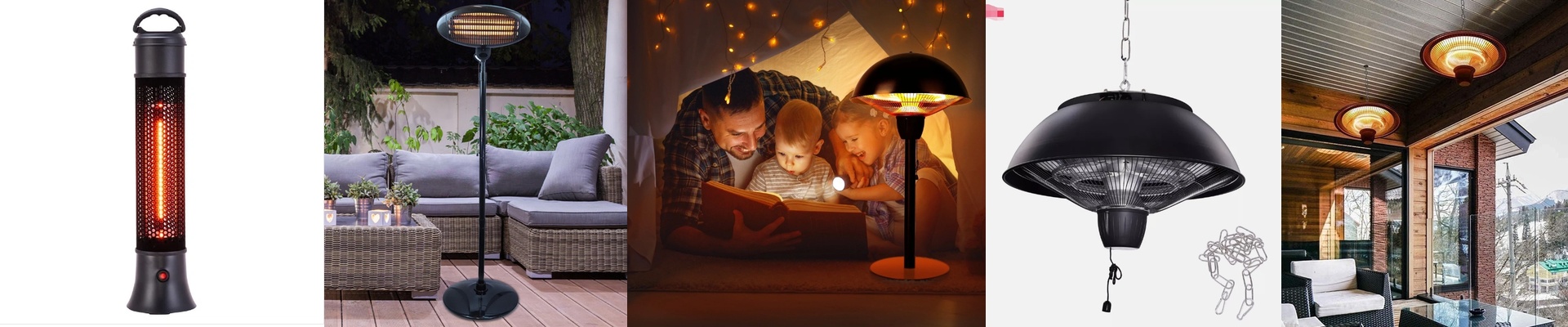
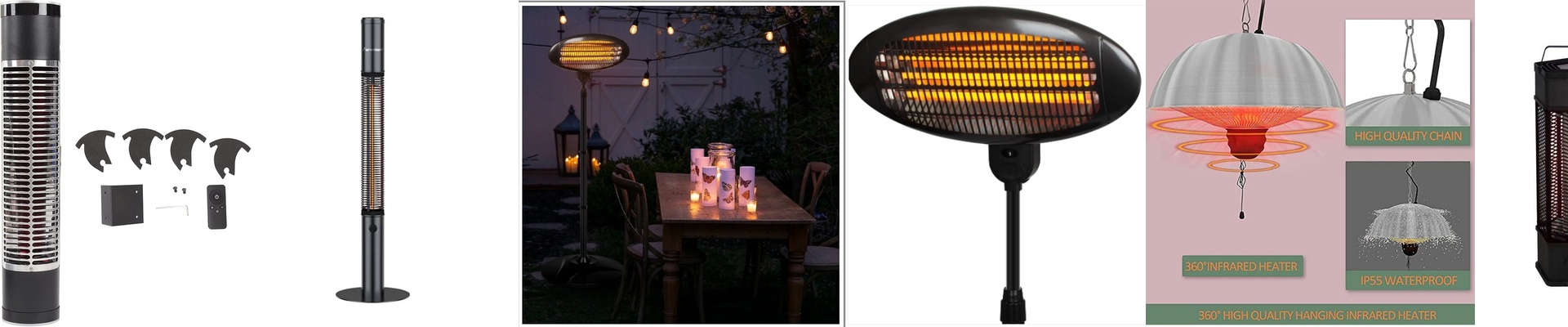
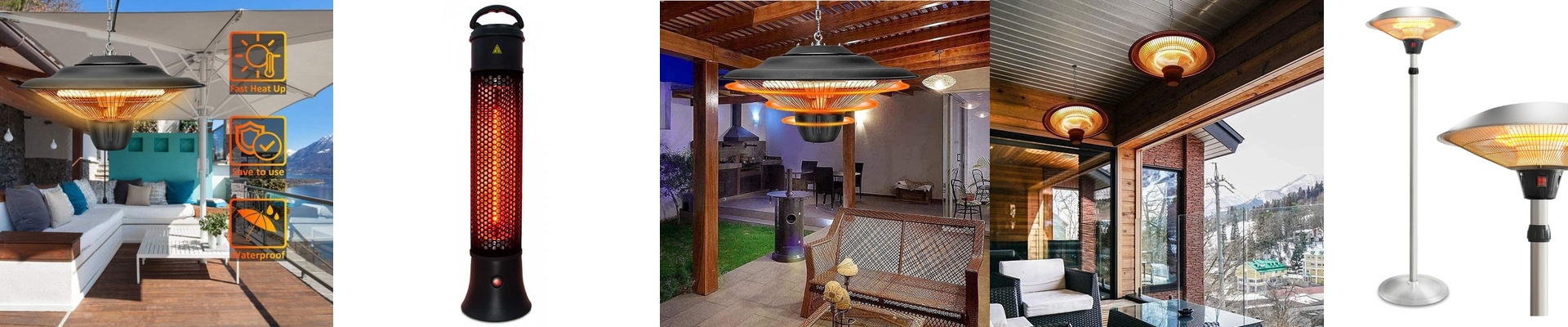
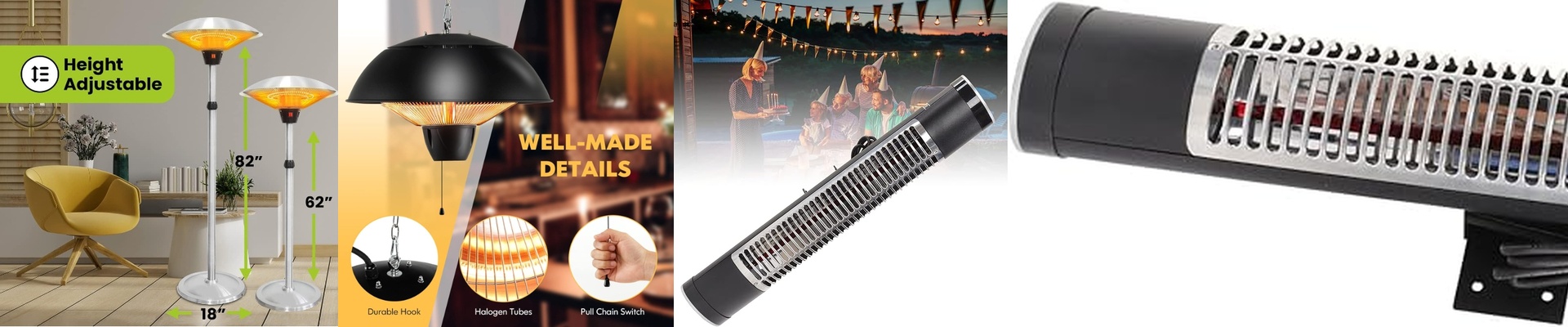
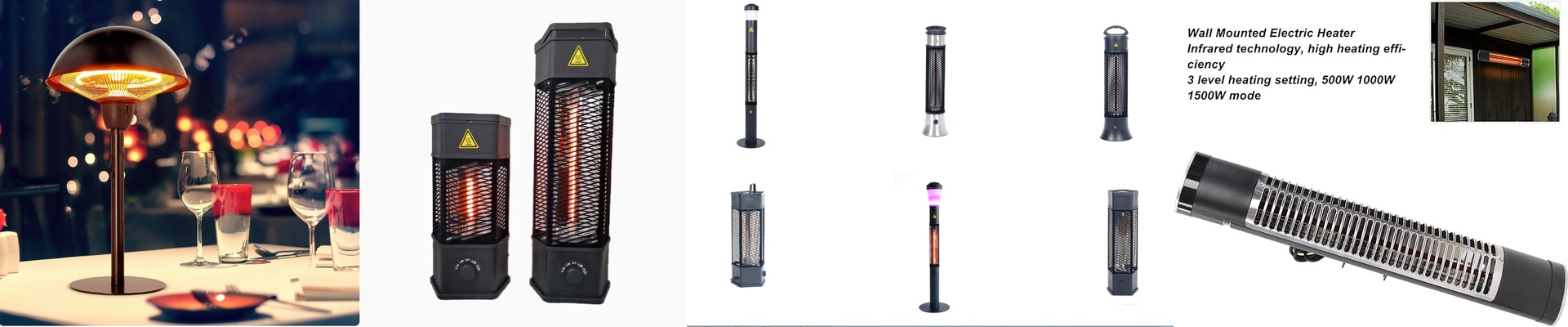
When the sun drops and the air turns crisp, the patio doesn’t have to clear out. Put in the right commercial patio heater, and guests linger, staff stay comfortable, and the evening keeps its pace.
What matters under the hood
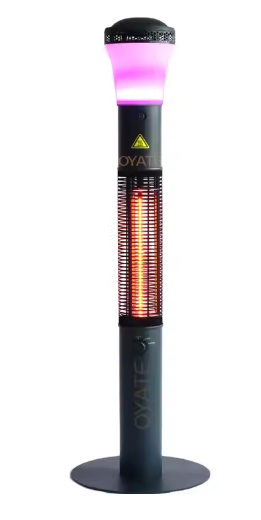
Commercial patio heaters deliver comfort the way radiant heat always does: warming people and surfaces directly, instead of trying to warm the whole column of air. We build ours around a high-output infrared element that throws warmth the second it’s switched on, paired with a reflector that focuses heat where it’s needed. You’ve got electric models rated for outdoor use, often 120V or 240V depending on what the site can support. The housings are sealed, and you’ll see IP ratings that matter when the weather brings rain and dust. Keep the controls straightforward—an adjustable thermostat holds a steady feel, and tip-over protection shuts the unit down if it gets bumped. output is measured in watts, so you can match coverage to the space. A tight seating area calls for faster, focused warmth; a larger terrace needs broader reach.
Why this works in a commercial setting
Comfort drives revenue. A patio heater keeps tables usable on cooler nights, which means fewer lost covers and more repeat visits. Infrared warmth feels natural because it heats the way the sun does—direct, not drafty. Guests feel cozy without the noise and air movement of forced-air. For staff, it means steadier service when it’s chilly. For owners, it protects the investment in outdoor seating by extending usable hours. The result is an outdoor space that stays alive after sunset, with heat that comes on quickly and settles into a consistent feel.
The practical details—plan for placement
Radiant heat only works when the heater has a clean line to people and seating. Hang it overhead or place it nearby, and keep the path unobstructed. Electric models need a dedicated circuit and outdoor-rated connections. Check local code for outlet placement and weatherproofing. Most units are built for covered or partially covered patios, and they’re tough outdoors—but constant, direct exposure to heavy rain will shorten service life. Keep the heater stable, keep it clear of combustible materials, and follow the clearances in the manual. Those numbers aren’t arbitrary—they’re what keep the space warm and everyone safe.