On the line, the scheduler isn’t going to wait around for a heater to catch up. A CVD chamber needs temperature stability the second the recipe calls for it. Miss the setpoint by even a degree, and you’ll see film thickness drift, stress shift, and yield walk away.
What matters under the hood
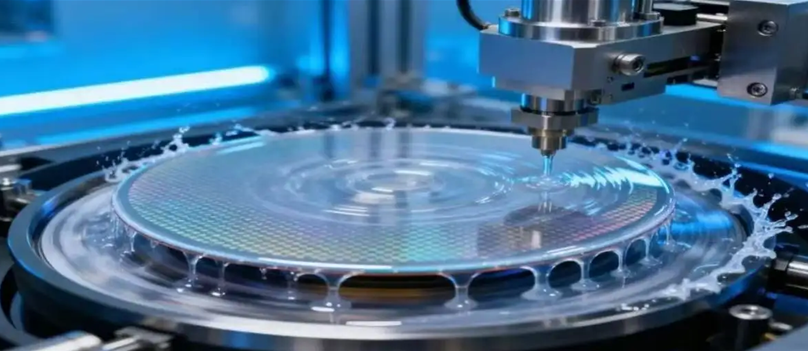
We built this CVD heater to behave the same way, every time. The quartz-halogen lamp array responds fast, and you get wafer-level uniformity within ±0.1°C across the susceptor. The control loop holds setpoint without overshoot, so you don’t chew up thermal budget on the chamber or the film stack. Cleanroom behavior is baked into the package: low outgassing materials, sealed feedthroughs, and a surface finish that keeps particle generation effectively flat. The payoff is predictable deposition profiles, run after run.
Why it holds up in a 7×24 fab
In 7×24 fabs, reliability comes down to unplanned stoppages. This heater is spec’d for continuous operation with zero unplanned downtime, backed by field data showing multi‑thousand‑hour runs with stable output and repeatable temperature control. That means fewer aborted lots, tighter distributions across the product mix, and less scrap. Process windows open up because temperature stops being the variable you’re always chasing. Energy use drops, too—fast response cuts idle soak and waste heat.
The practical details you’ll care about
Installation has to respect thermal mass and clearances. The heater integrates cleanly, but the chamber interface and susceptor geometry need to match the specified envelope; otherwise, you won’t hold the uniformity band. Expect a short commissioning sequence to tune the PID for your chamber pressure and gas environment. Once it’s aligned, the system runs as specified—no heroics required.