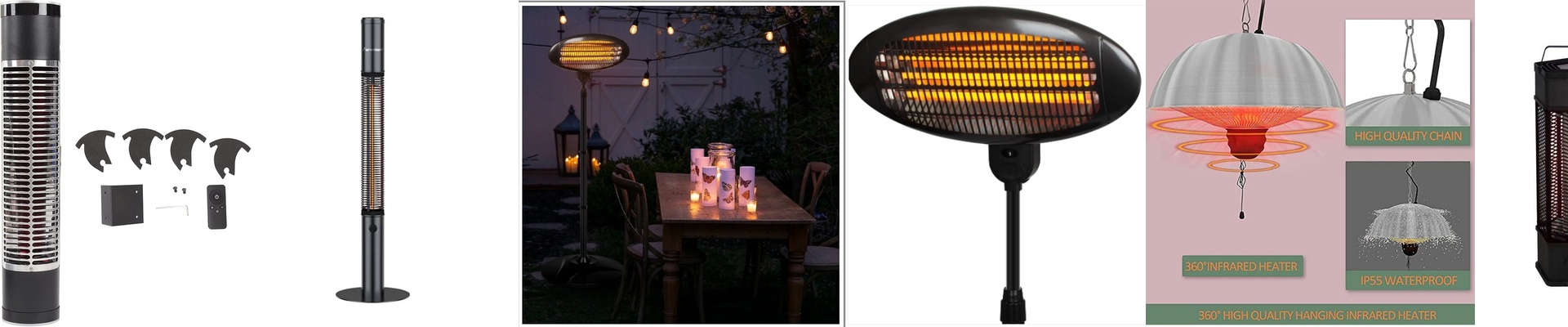
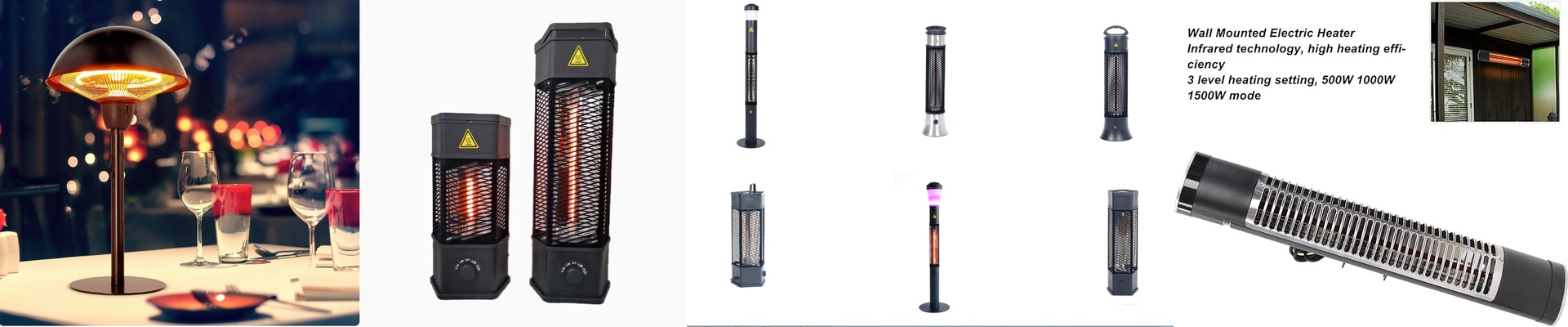
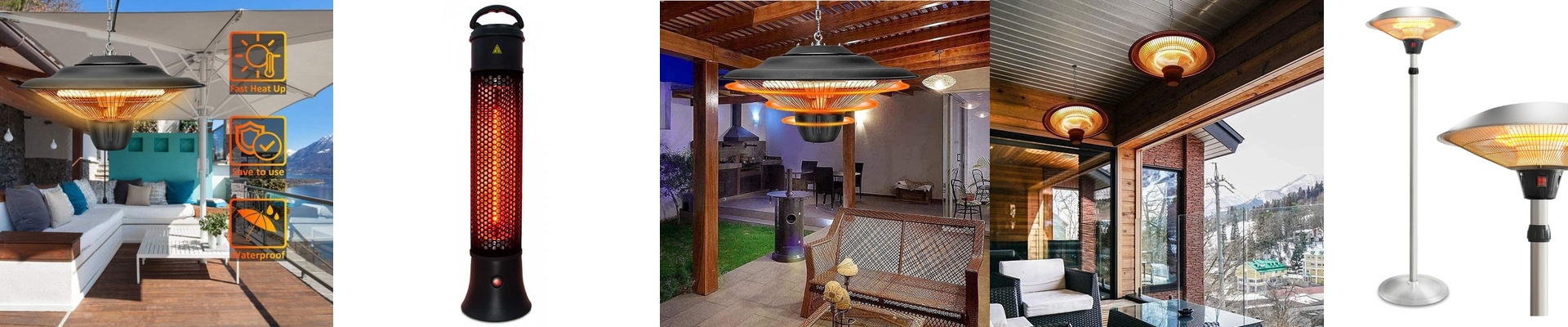
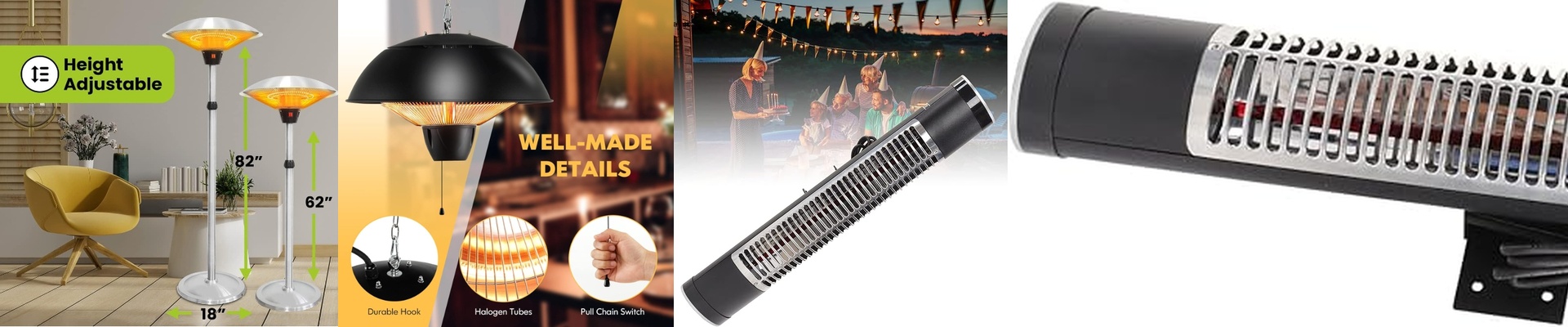
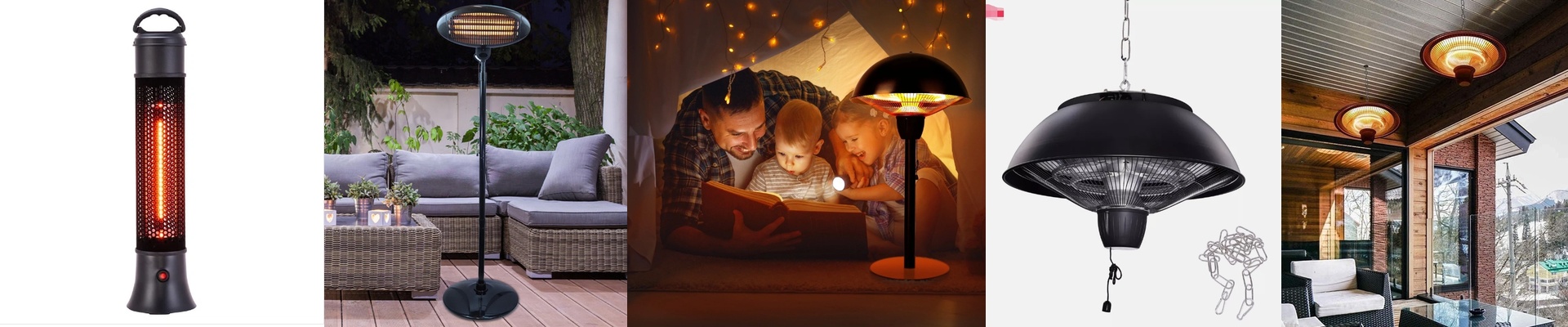
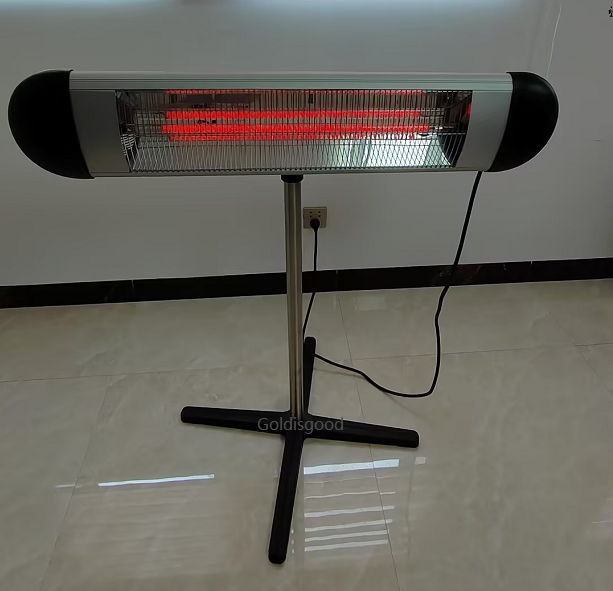
When winter settles in, your hands and feet are the first to know. Out on a cold balcony, they go numb fast, and that quiet evening outside suddenly feels out of reach. We built this balcony infrared heater to fix that at the source, using radiant warmth that heats people first, not the air.
What matters under the hood
Infrared warmth works by sending out a broad, gentle band of radiant heat that gets absorbed by skin and clothing. You feel comfortable right away, without a blast of forced air that stirs up dust and dries out eyes. Inside, the electric infrared heater uses a carbon fiber element and a quartz-enhanced emitter, so heat comes on within seconds of flipping the switch. Heat output is tuned to lay down a steady, even field of warmth across a typical seating area, and a built-in thermostat keeps the intensity consistent. The unit carries an IP rating for outdoor use, and it has tip-over protection for peace of mind.
Why this approach hits the spot
Cold hands and feet aren’t just annoying—they’re a sign your peripheral circulation is taking a hit. Infrared radiation penetrates superficially, warming tissues and helping local blood flow. For a lot of users, that means less stiffness, fewer cold-induced aches, and an easier return to relaxed movement. On the balcony, that translates to being able to read, talk, or enjoy a meal without constantly rubbing your fingers together. The heat goes where you need it—trained on the seating area—so you feel cozy sooner and stay comfortable longer.
The practical details
Infrared heating is directional, so aim the unit at the seating zone and keep the path clear. For best results, mount it at a moderate height and angle, then dial in the adjustable thermostat to your comfort. The heater is built for outdoor use, but it needs a grounded electrical outlet within reach of the cord. In very windy conditions, warmth can drop off because wind scatters the radiated heat—a shielded corner or windbreak helps a lot. Keep the heater clear of fabrics and furniture, and follow the clearance distances in the manual.