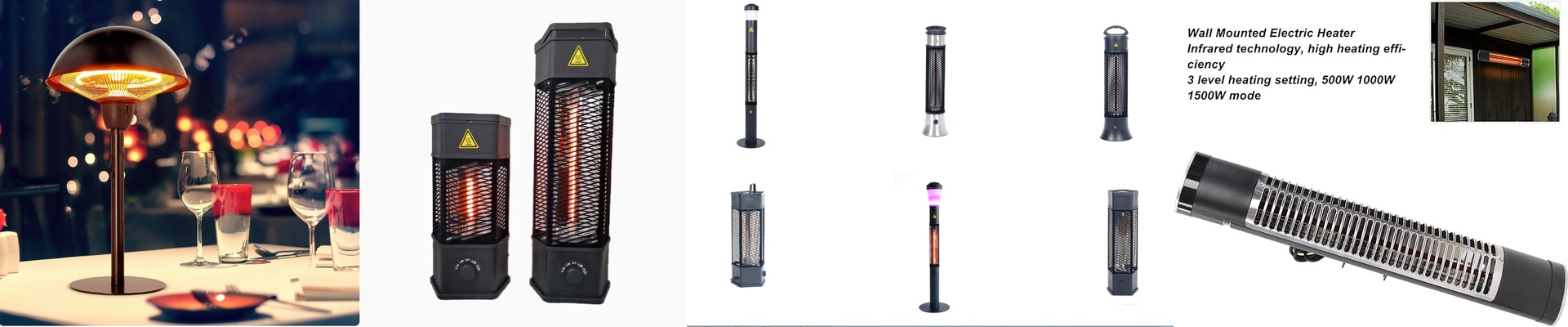

Step into a workshop on a damp evening and you pick up on it fast: infrared warmth isn’t one-size-fits-all. Some units fire up the instant you hit the control. Others hesitate, taking a slow beat before they really come alive. That difference isn’t just about vibes—it’s a practical tell about what’s inside.
What matters, under the hood
Infrared heaters lean on a clean, stable element—usually a carbon fiber element or a quartz tube—to deliver radiant heat. When you tap the control and the glow hits almost immediately, you’re seeing low thermal mass doing its job: the element gets up to operating temperature quickly, so the heat follows fast. A sluggish ramp-up, on the other hand, can point to cheaper material, higher impurity content, or a loose internal connection that adds resistance and drags performance down. We pair the control with a responsive heating core so the interface and the hardware stay in sync, not fighting each other.
Why speed plays out in the real world
Out on a chilly patio, in a drafty garage, or next to a workshop bench, the clock matters. Fast start-up means the heater keeps pace when you step outside, instead of leaving you waiting while the air gets colder. It also helps the element hold temperature more evenly, so you don’t get that hunting and fluttering. For you, that means fewer drafts, fewer swings, and a heater that feels steady when you need it.
The practical stuff you can’t skip
Touch-screen controls are convenient, sure, but don’t shortchange the basics. Make sure the outlet and cord are rated for the heater’s power draw, and keep the unit on a stable surface away from water. In dusty or damp spots, check the IP rating and give the screen and vents a quick wipe so the electronics stay dry. A heater that lights quickly is a solid indicator of quality. But even the best unit needs the right setup to run safely and consistently.