Stop Wasting Heat in Your Hydrogen Sensor Fab
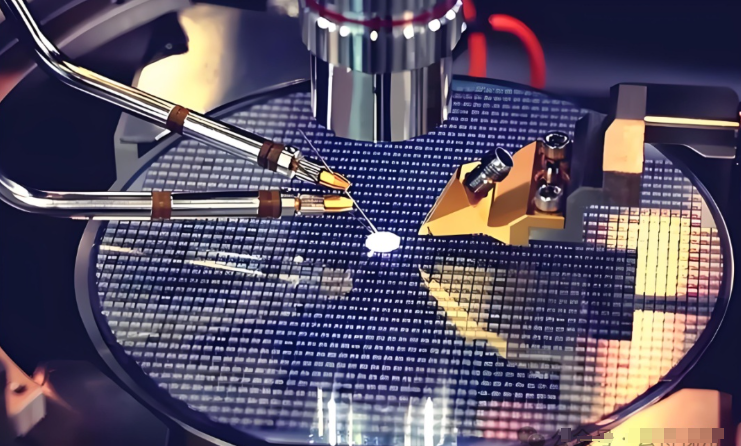
When you’re making hydrogen sensors, the heat profile on your wafer has to be spot on. No guessing. To get that, we use specialized heating lamps and gold-coated reflectors. The goal is pretty simple: we want every single watt of power hitting the substrate, not disappearing into the air.
Why Gold?
Most people start with aluminum reflectors, but here’s the problem—they soak up and scatter way too much energy. We switched to high-purity gold because it’s incredible at reflecting infrared light. Instead of the heater housing absorbing the heat, the gold pushes it right back toward the wafer. You end up with a tighter focal point and a temperature that’s actually consistent across the whole surface. It just works better.
Balancing Power and Heat
If you’re looking at a fabrication heater, the wattage-to-surface-area ratio is what tells you how fast you’ll ramp up. High-wattage lamps are great for those quick thermal cycles you need for thin-film deposition. But there’s a catch. When you cram that much heat into a small space, your cooling manifolds have to be able to handle the leftover reflected heat. If they can’t, you’re looking at a warped tool frame, which is a nightmare to fix.
Putting it into Practice
We built these heaters to be drop-in replacements. You don’t have to rebuild your whole setup. By swapping in gold-coated reflectors, you can usually hit your target temperatures while actually pulling less power from the lamp. That’s a win-win—it takes the pressure off your power supplies and keeps your filaments from burning out so fast. If you’re noticing cold spots on your wafers or your cycle times are dragging, it’s probably not because you need “more power.” It’s usually just radiation loss. Fixing the geometry of the heat flux with a gold-coated system usually clears that right up.