Why Most Bathroom Heaters Die (And How We Fixed Ours)
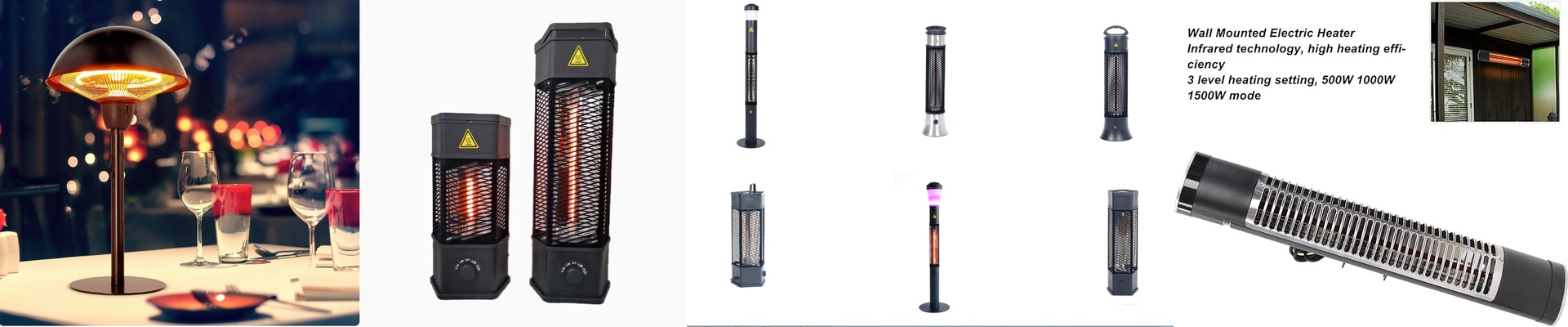
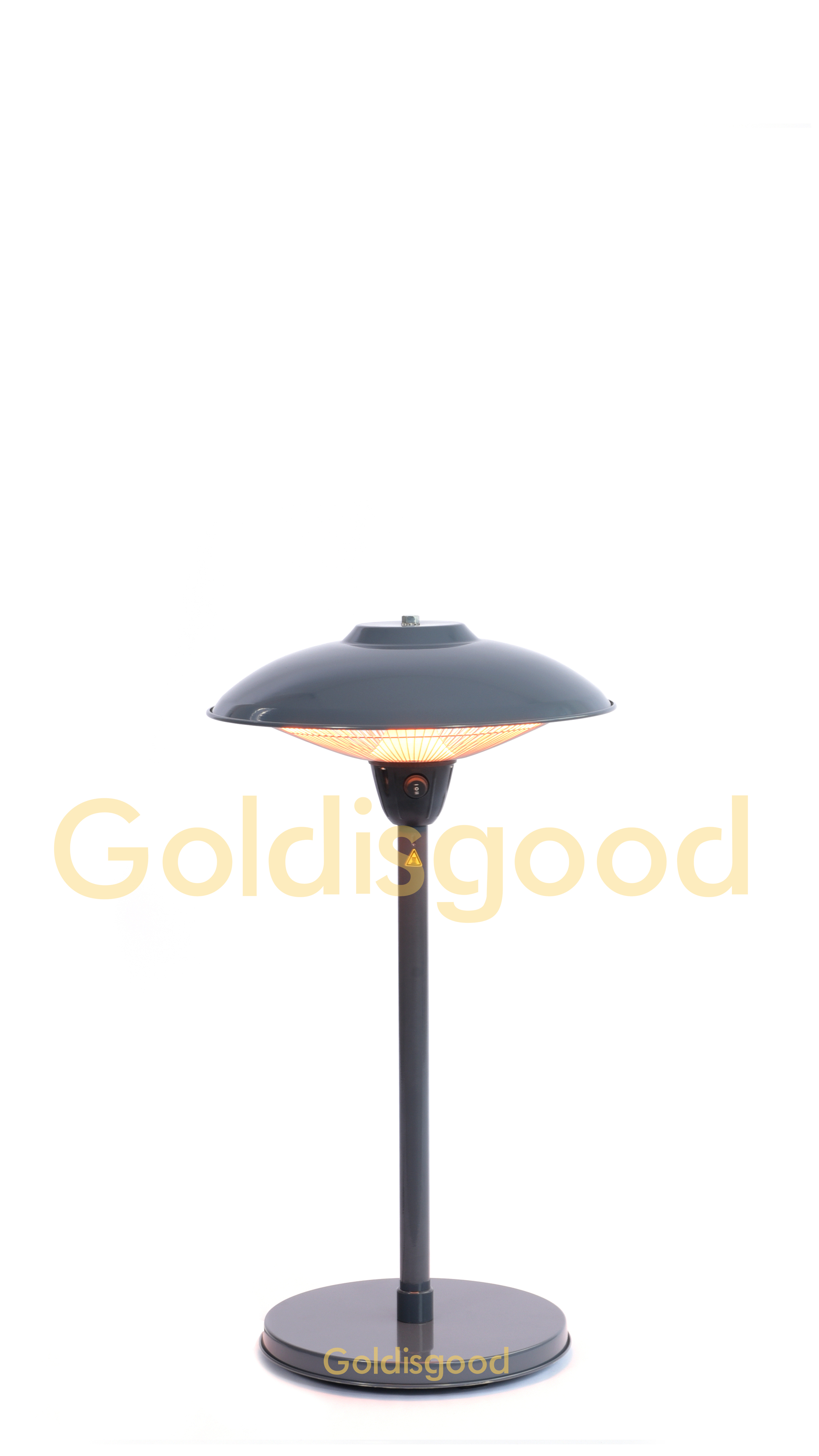
Let’s be honest: bathrooms are a nightmare for electronics. You’ve got steam everywhere, random splashes from the shower, and humidity that just won’t quit. For a heating element, that’s a recipe for disaster. Most heaters just rust out or short-circuit within a couple of years because they aren’t built for the damp. We wanted something that actually lasts. Dealing with the splash factor Here is the problem with cheap infrared lamps: if a cold drop of water hits that scorching hot quartz glass, the glass can literally crack from the shock. It’s a quick way to kill a heater. To stop that, we wrapped everything in a splash-proof housing. We didn’t just slap a cover on it; we sealed the wire entries and used heavy-duty gaskets to keep moisture out of the guts of the machine. This keeps the internal circuitry dry, so you don’t get those annoying “burn outs” caused by corroded contact points. The fog problem You know that thick fog that settles on everything after a hot shower? It doesn’t just look messy. On a heater, that condensation creates a thin film that can actually leak current. We solved this with a special coating on the glass that basically tells water to get lost. Because the fog can’t cling to the surface, the heat flows steady and strong. You get the same warmth from the moment you flip the switch until you step out of the shower, without the efficiency dropping off. The honest trade-off Now, there’s a catch. To make this thing a tank, we had to add a bit more bulk to the housing. It’s slightly larger than a stripped-down, open-element lamp. Also, because of those protective layers, it takes a few extra seconds to hit peak temperature. But honestly? I’d rather wait five seconds for my heat than buy a new heater every two winters. Just a quick tip for when you’re installing these: make sure your circuit breaker is ready for that initial power surge. And while the heater itself is built to stay dry, always follow your local wet-zone electrical codes for the wiring. It’s the difference between a gadget that lasts a season and a piece of gear that stays on your wall for years.