
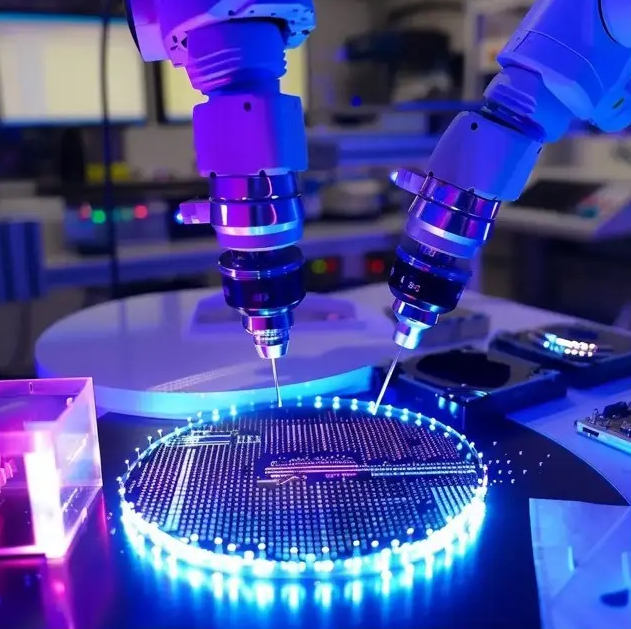
When you’re drying MEMS sensor wafers after a chemical clean, you’re walking a pretty thin line. You need intense heat to get the job done, but you’re doing it right next to flammable solvents. One wrong move and you’ve got a serious problem on your hands. That’s why we stick with short-wave infrared (IR) lamps. They hit the wafers with a quick, powerful burst of heat that flashes the liquid dry before the rest of the substrate even has a chance to overheat. Dealing with the danger The big worry in a chemical wash setup is obviously a fire. We don’t just trust the equipment to “be safe”—we build in actual walls. We tuck the IR lamps inside sealed quartz or sapphire tubes. Think of it as a protective shell that keeps those flammable vapors far away from the hot tungsten filament. We even seal the wiring with heavy-duty, chemical-resistant resins. It’s all about closing every single gap where gas could sneak in. The heat and the airflow These heaters are built to hit a very specific temperature window. The short-wave IR cuts right through the liquid residue, turning it into vapor almost instantly. It’s powerful stuff. But here’s the catch: you need a solid exhaust system. If your airflow is sluggish, those evaporated chemicals just hang around the heater housing. You can’t let that happen. Keeping things running Nobody wants to spend their afternoon tearing apart a drying chamber just because a bulb popped. We made these units modular with standard connectors, so swapping out a burnt-out lamp is quick and painless. We also use reinforced quartz. It handles the “thermal shock” of heating up and cooling down rapidly without cracking. Just make sure your power supply is filtered. A random voltage spike is the fastest way to blow a filament, and that’s a headache nobody needs.