
Getting Your Heat Right in a Smart Fab
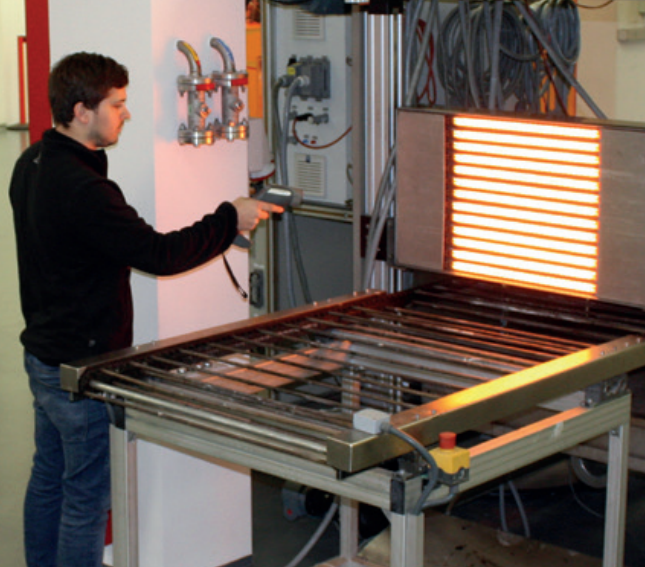
If you’re building out a smart Fab, you’ve probably realized that heat is a tricky beast. Most old-school heating setups just blast air around, and a lot of that energy ends up vanishing into thin air. That’s why we use gold-coated twin tube IR lamps. Instead of relying on convection, these use radiation to push heat exactly where it needs to go. It’s a cleaner, sharper way to handle thermal energy on a digital line.
Why the gold and the twin tubes?
Here’s the thing: a basic quartz lamp is pretty leaky. It lets a lot of heat escape in directions you don’t care about. By adding a gold coating to the quartz, we basically create a mirror that bounces the infrared radiation straight toward your target. It turns a general glow into a directional beam. Then there’s the twin tube part. By doubling up the filaments in one small space, we can pack in way more wattage without making the lamp bulkier. You get a lot more punch in a tiny footprint.
Making it “Smart”
A Fab isn’t really “smart” unless your hardware talks to your software. These lamps plug right into your PLC zones, so you can tweak the power based on what your sensors are telling you in real-time. The best part? They react almost instantly. Unlike resistive heaters—which take forever to warm up or cool down—these lamps shift temperatures in milliseconds. It means you stop ruining parts during the ramp-up phase because you aren’t accidentally overheating things.
The “Gotchas” (and how to fix them)
Now, you can’t just slap these into any old rig and hope for the best. Because twin tube lamps put out so much concentrated heat, they’re hard on your reflectors. If your housing isn’t built to handle that kind of thermal load, it’ll warp. Simple as that. You also have to keep an eye on your power supply; that initial surge of current can trip your breakers if you aren’t prepared for it. We’ve made these easy to swap out so you aren’t staring at a dead line for hours. Once you’ve got them wired to your controller, you can actually see exactly how much power each unit is using. No more guessing if the temperature is “about right.” You’ll have the actual numbers in front of you.