

Making UHP Infrared Heating Actually Work in Your Smart Fab
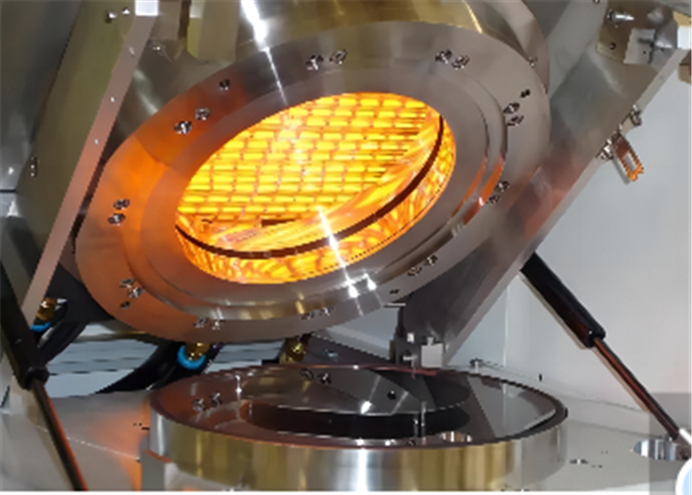
If you’re running a semiconductor fab, you already know that UHP heater lamps are the bread and butter of thermal energy. But as we all move toward these “Industry 4.0” setups, the real conversation isn’t just about heat—it’s about how fast you can control it. Moving from old-school resistive heating to high-efficiency infrared (IR) is a huge jump in how you handle data and response times. The magic of radiant heat Here’s the thing about IR: it’s direct. There’s no middleman, no air or gas acting as a buffer between the lamp and the wafer. We build these lamps to hit specific wavelengths that your material actually wants to absorb. The result? You can ramp up the heat and cool it back down almost instantly. When your PLC can tweak the power in real-time, you stop worrying about that dreaded thermal overshoot. It just works. The gear and the grit We use high-grade synthetic quartz for these lamps because outgassing is a nightmare. One tiny impurity in the glass and you’ve just trashed an entire batch of wafers. That’s a mistake you only make once. We also pack in a lot of wattage. Why? Because floor space is expensive. We want to give you more heat in a smaller footprint. The wiring part is simple enough, but the power is intense. If you’re running high-wattage arrays, make sure your power supplies can handle the voltage ripple. If they can’t, you’ll never hit that ±1°C stability you need. The catch: Heat vs. Cooling Now, there is a trade-off. High-output IR lamps put out a massive amount of waste heat. Sure, the wafers are getting exactly what they need, but your vacuum chamber walls and seals are taking a beating. You can’t just slide these into an old system and hope for the best. You’ve got to look at your cooling water loops and heat exchangers. If you don’t manage the ambient load, you’re looking at warped chamber geometry. Not a fun day at the office. The upside? You can finally track exactly how much energy goes into every single wafer. That data plugs right into your digital twin, turning heat from a random overhead cost into a variable you can actually measure and manage.