
Getting Wafer Curing Right (Without Wasting Energy)
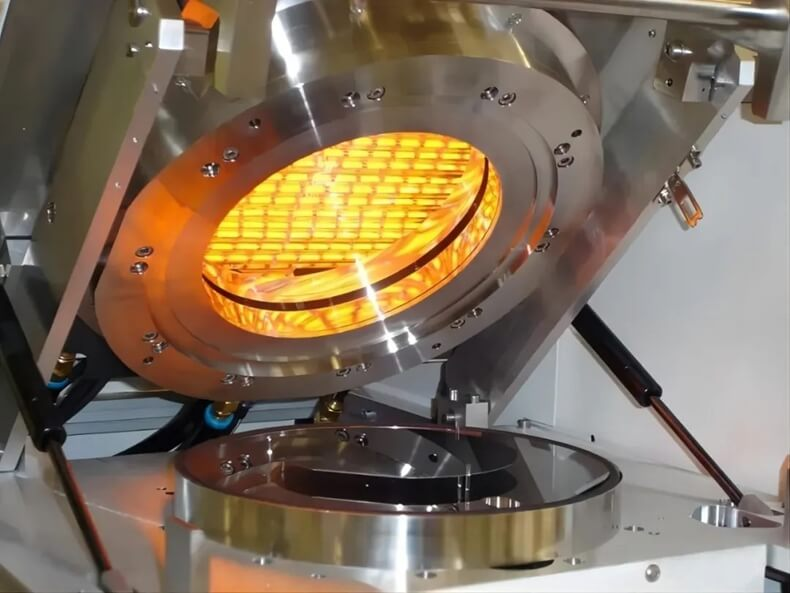
When you’re curing wafers, it all comes down to how you handle the heat. Most of us use IR lamps, but here’s the secret: the lamp is only half the story. The real magic happens with the reflectors. If you aren’t careful, a huge amount of that expensive energy just leaks out of the chamber. It’s basically like heating the whole room just to warm up a cup of coffee. Not great for the bill, and definitely not great for the planet. Making the most of every watt Think of the reflector as a way to stop wasting power. Instead of letting the IR lamp shoot heat in every direction, we use these reflectors to catch the energy heading the wrong way and bounce it straight back onto the silicon. It’s a simple trick, but it basically doubles your usable energy without you having to pull more power from the grid. When you get the reflectance just right, you can dial back the wattage and still hit your target temperature. The battle with heat and materials Choosing the right material is where things get tricky. Gold-coated substrates are great because they handle the high end of the IR spectrum and don’t oxidize. Then you’ve got high-purity aluminum, which is usually the go-to for shortwave setups. But there’s a catch:heat makes things move. If your housing isn’t built to handle the lamp’s temperature, the metal warps. Even a tiny bend in the geometry can create “cold spots” on your wafer. And we’ve all been there—one warped reflector leads to uneven curing, which leads to a bin full of scrapped batches. It’s a nightmare. Cutting the carbon, realistically Going “green” in a semiconductor fab isn’t about some miracle lamp or a fancy buzzword. It’s just basic physics. By tightening the focal point of that IR beam, we stop wasting energy heating up the machine chassis and the air around it. Plus, better reflectors mean you hit your ramp-up temperature way faster. That means fewer kWh per wafer. Just a heads-up: when you tighten those beams, things get hot—fast. You’ll want to double-check your PID controllers. If you don’t, you might find yourself burning the wafer surface before you even realize what happened.