Stop Wasting Heat: A Better Way to Build Bio-Sensors
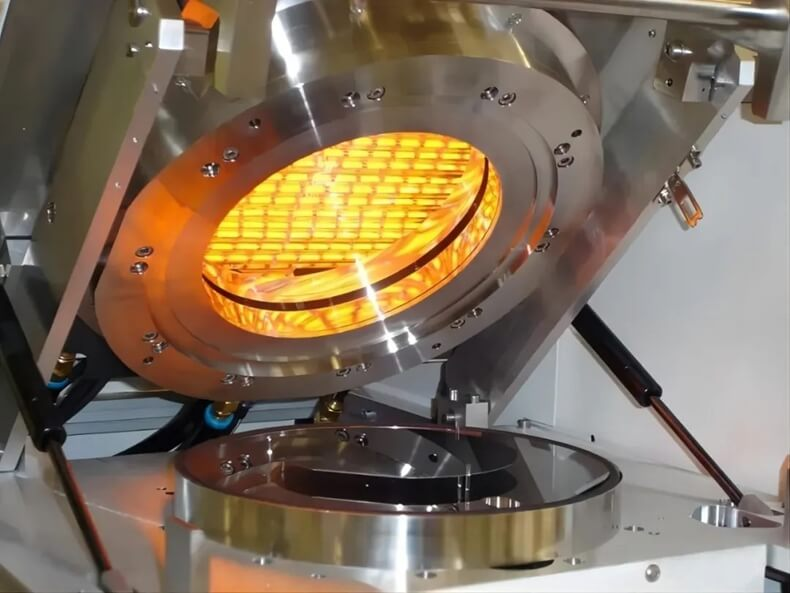
When you’re curing or depositing materials for bio-sensors, heat is everything. But for too long, we’ve relied on those clunky convection ovens. The problem? You’re spending a fortune heating up massive amounts of air just to get a tiny substrate to the right temperature. It’s a total waste of energy. That’s why we switched to short-wave IR lamps. Why it actually works Think about it this way: instead of waiting for the air to get hot, IR lamps hit the substrate directly. No lag. No waiting around. You hit your target temperature almost instantly. This shreds your cycle time per wafer, which means you’re using way less electricity. If you’re trying to actually lower your carbon footprint on the shop floor—not just talk about it in a meeting—this is how you do it. The gear behind the heat We use quartz-halogen elements here. We love quartz because it lets the IR radiation fly right through without getting trapped in the lamp housing. It pushes the heat exactly where it needs to go: into the sensor material. We also tune these lamps to a narrow-band emission. This is key because it matches the specific “sweet spot” of the polymers used in bio-sensors. But you have to be careful with the wattage. If you go too heavy, you’ll scorch those delicate bio-layers in a heartbeat. To keep things from going south, we pair the lamps with PID controllers and pyrometers. It keeps the heat steady and stops the system from overshooting. The reality of setting it up The best part? These are basically drop-in replacements for your old heating blocks. The wiring is a breeze. But here’s the catch. Short-wave IR is intense. Those lamp tubes gethot. If your chassis cooling isn’t up to the task, the heat reflecting off the substrate will cook your equipment. Weak ventilation is the fastest way to burn out a lamp. Get your venting right, and your quartz tubes will last way longer—plus, your team won’t be sweating through their shirts on the factory floor.