Why Most Bathroom Heaters Fail (and How Infrared Actually Works)
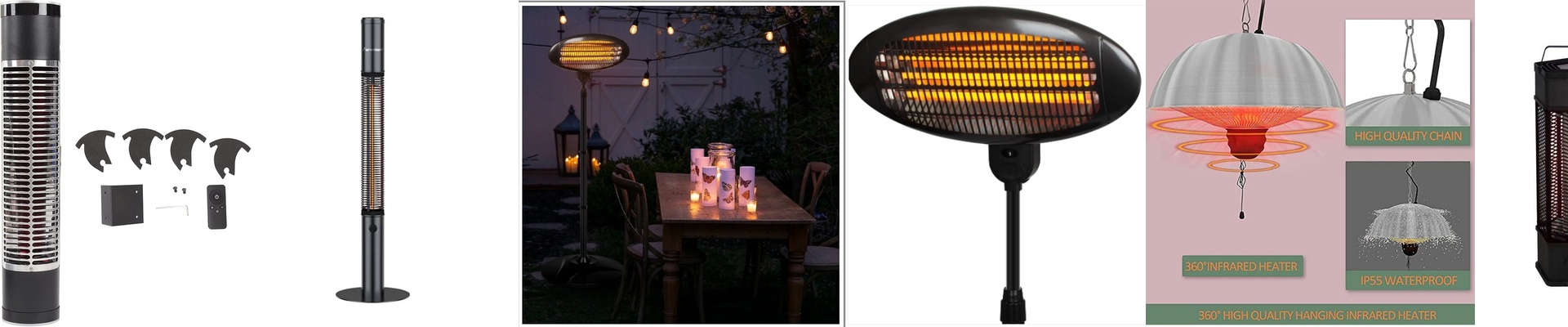
Most bathroom heaters are just trying to warm up the air. But here’s the thing: warm air doesn’t stop mold. To actually kill the dampness, you have to go after the surfaces. That’s why we use short-wave infrared (IR) lamps. Instead of waiting for the room to heat up, these lamps beam heat directly onto your walls and floors. It’s all about the dew point. Mold loves a cold, damp wall. When steam hits a chilly surface, it turns back into liquid water. That’s where mold spores move in and start making themselves at home. Our IR lamps push the surface temperature up, keeping the walls warm enough that the water never settles. No condensation means no liquid water. And no liquid water means the mold simply can’t grow. Drying things out, fast. Conventional heaters rely on air circulation, which takes forever. IR is different. It uses electromagnetic waves to move energy instantly. It gets deep into the porous stuff—think of your grout and sealant. It basically shakes the water molecules awake, forcing them to evaporate into the air much faster than usual. Once that moisture is airborne, your vent fan can actually do its job and pull it out of the house. The “catch” (and how we handle it) You can’t just throw a high-wattage IR lamp into a cheap plastic box. The heat is intense. If the housing isn’t built for it, the plastic warps or the wiring fries. We’ve spec’d our units to handle those heavy thermal loads so you don’t have to worry about it. But a quick heads-up: the heater is only half the battle. If you have a weak exhaust fan, you’re just creating a warm, humid sauna. You need both. The IR dries the surfaces, and a strong fan clears the air. Get the wiring right with heat-resistant leads, and you’ll stop living in a damp box. Your bathroom will actually feel dry.