

Why We’re Moving to IR Wafer Heating
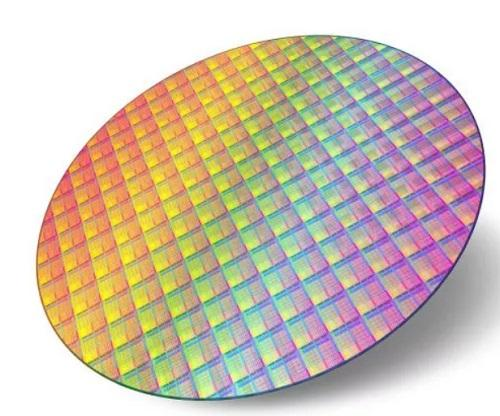
Let’s be honest: old-school convection ovens are a drag. They’re slow, they’re bulky, and they waste a ton of energy just heating up the air and the metal walls of the machine before they even touch the wafer. That’s why we’re seeing everyone switch to infrared (IR) curing. It just makes more sense. Instead of heating the whole room, you’re hitting the substrate directly. Stopping the wait Think about how standard drying works. You’re basically waiting for hot air to do the job. It takes forever. With IR, we’re using electromagnetic radiation to get those molecules in the wafer coating moving. We use short-wave IR because it sinks into the surface layers almost instantly. The best part? You can ditch the lead-based stabilizers and those nasty volatile solvents that usually need hours of high-heat baking to disappear. It’s faster, and it’s a lot kinder to the planet. Power without the waste We set up these lamps for high power density. Why? Because we want the energy concentrated right where it matters. It turns a minutes-long ramp-up into a few seconds. You aren’t leaving a massive oven idling for an hour while you wait for things to warm up. You flip the switch, the wafer hits the temperature it needs, and you’re done. Simple. The tricky part: Thermal Stress Now, it’s not all magic. High-intensity IR is powerful—maybe too powerful if you aren’t paying attention. If you crank the heat too fast, you’re asking for trouble. You risk warping the wafer or, worse, cracking the substrate entirely. It’s a balancing act. You have to get the wattage and the distance between the lamp and the wafer just right so you don’t end up with hot spots. Cleaning up the process The real win here is that IR is a “dry” process. No combustion gases, no hazardous fumes drifting around the lab. Plus, it works easily with vacuum or inert gas setups. For any fab trying to meet “green” or lead-free mandates, this is the way to go. It’s a straightforward swap for those old, power-hungry thermal systems that belong in a museum.