

Making Sure Your Heaters Don’t Fry Your Gear
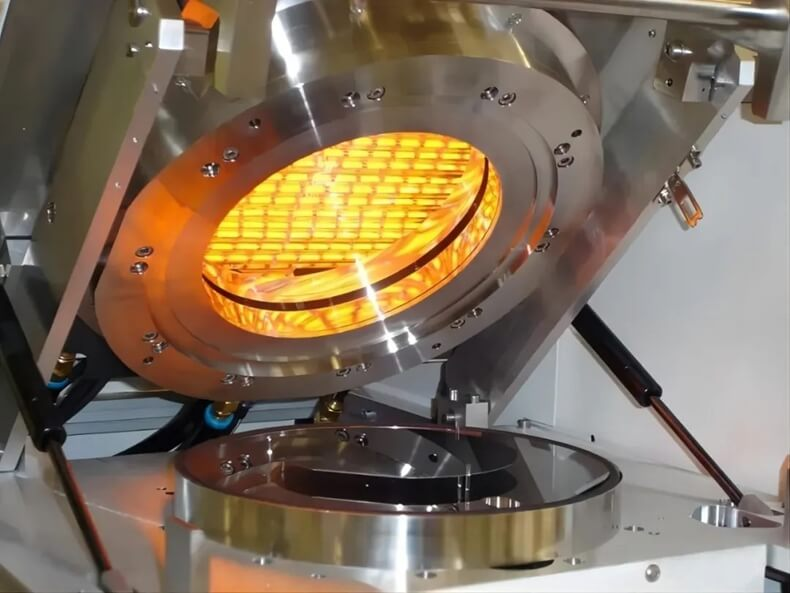
When we build semiconductor heating elements, we’re dealing with some pretty intense heat. But honestly? The heat is the easy part. The real nightmare is electrical leakage. If a high-power circuit leaks, it doesn’t just “malfunction”—it can fry your control boards or cause a massive short that takes your whole machine down. That’s why we don’t take chances. Every single tube we make goes through a Hipot (withstand voltage) and insulation resistance test before it even thinks about leaving our floor. How we actually test them We aren’t fans of “batch sampling.” Testing a few random pieces and hoping for the best isn’t how we work. Instead, we hit every single unit with a voltage way higher than what it’ll ever see in your shop. We do this to force out any hidden flaws—like a tiny crack in the ceramic or a speck of impurity in the material. If the leakage current spikes, that part is trash. We’d rather scrap it here than have it fail in your machine. The deal with insulation In this line of work, the gap between the heating element and the grounded chassis is incredibly thin. We use specific dielectric coatings to keep them apart. If that insulation gives way, you get “stray current.” It’s not just about the risk of a shock, either. That leakage creates electrical noise that messes with your sensors and PID controllers, making your readings jump around when they should be steady. A bit of a reality check Now, look—strict testing catches the lemons, but it doesn’t make a part invincible. High-voltage testing puts stress on the material. If you push your heaters to the absolute limit of their thermal specs, that insulation is going to wear out faster. It’s a balancing act. You have to weigh your power density against the thermal ceiling of the insulation. We send over the test reports for every batch. That way, when you wire these into your system, you aren’t crossing your fingers. You know the insulation is solid and your high-end gear isn’t going to burn out because of a factory fluke.