
Stop the Glass Rain: Keeping Your Wafers Clean When Lamps Fail
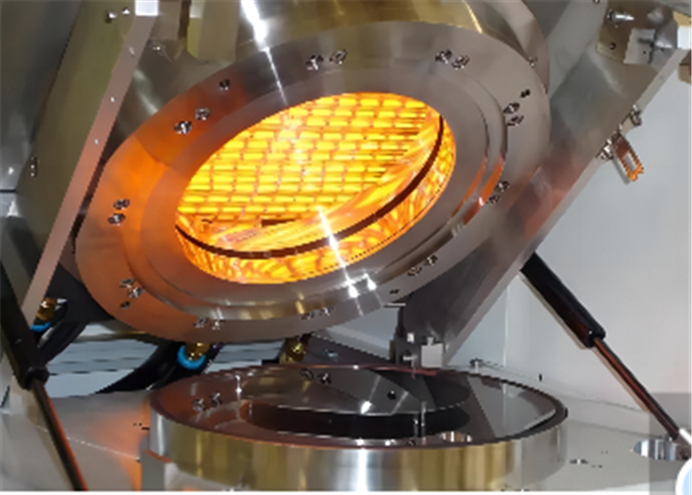
In a semiconductor fab, a lamp blowing out is more than just a nuisance. It’s a nightmare. When an infrared tube pops under a heavy load, you aren’t just dealing with downtime—you’re dealing with quartz shards and halogen gas spraying all over your wafer surfaces. We built our IR lamps specifically to make sure that doesn’t happen. Keeping the mess inside We start with high-purity synthetic quartz. It’s tough, which helps it handle the shock of heating up and cooling down fast. But we didn’t stop there. To stop the “explosion” scenario, we add a shatter-resistant sleeve or a special coating. Think of it as a safety net. If the filament burns out and the glass cracks, the coating grips those fragments. It keeps the glass from raining down on your silicon. Handling the heat Running high-load production pushes these lamps to the breaking point. If you have hot spots, the tube fails. Simple as that. We fix this by tweaking the filament geometry and balancing the wattage and voltage. It spreads the heat evenly across the whole tube so no single spot takes the brunt of the stress. But here’s the thing: your tool’s cooling airflow has to be spot on. If the ends of the lamp get too hot because the ventilation is lazy, the seal between the quartz and the lead wires will give way. We see this all the time in systems that weren’t spec’d correctly. The nitty-gritty of maintenance We use standardized connectors because a tight fit is everything. Loose connections cause arcing, which creates these tiny, intense temperature spikes that weaken the quartz over time. When you swap a lamp, do yourself a favor and check the contact tension. Just a quick double-check. Let’s be honest: replacing a lamp is a dirty job. But using containment-design tubes means you spend way less time scrubbing the chamber and more time actually running wafers. It turns a potential catastrophe into just another routine task on the list.